
A Kenya safari is often described as the classic African safari. And for good reason. Kenya delivers dramatic wildlife scenes, wide open savannahs, rich culture, and polished safari infrastructure. From the Great Migration to elephant herds beneath Mount Kilimanjaro, this destination sets the gold standard.
In this guide, you will find everything you need to plan the best Africa safari trip in Kenya. We will cover the top safari experiences, the best places to go, sample itineraries, activities, budgets, perks, and practical planning tips. By the end, you will know exactly what kind of safari fits your travel style.
Why Choose Kenya for an African Safari?
Kenya is ideal for first-time and returning safari travelers alike. The country combines world-class wildlife, excellent guides, and easy logistics.
Here is why Kenya stands out:
- Kenya is home to the Big Five: lion, leopard, elephant, rhino, and buffalo.
- The Great Wildebeest Migration happens annually in the Maasai Mara.
- Game viewing is reliable year-round.
- Safari camps range from affordable to ultra-luxury.
- Cultural encounters with the Maasai and Samburu add depth to the journey.
In addition, Kenya pairs well with beach escapes. Many travelers end their safari on the white sands of Diani Beach or Zanzibar.
Best Time to Go on a Kenya Safari
Timing matters when planning the best safari trip.
Peak Season (July–October)
This is the most popular period. It coincides with the Great Migration river crossings in the Maasai Mara.
Pros
- Excellent wildlife viewing
- Dry weather
- High chance of dramatic predator action
Cons
- Higher prices
- More visitors in popular reserves
Shoulder Season (January–March)
This is a hidden gem for safari lovers.
Pros
- Fewer crowds
- Baby animals and birdlife
- Slightly lower rates
Cons
- Migration may not be in the Mara
Green Season (April–May)
This is the rainy season.
Pros
- Lush landscapes
- Best value pricing
- Great photography light
Cons
- Some roads may be muddy
- Wildlife still present but more spread out
Top 5 Best Safari Destinations in Kenya
1. Maasai Mara National Reserve
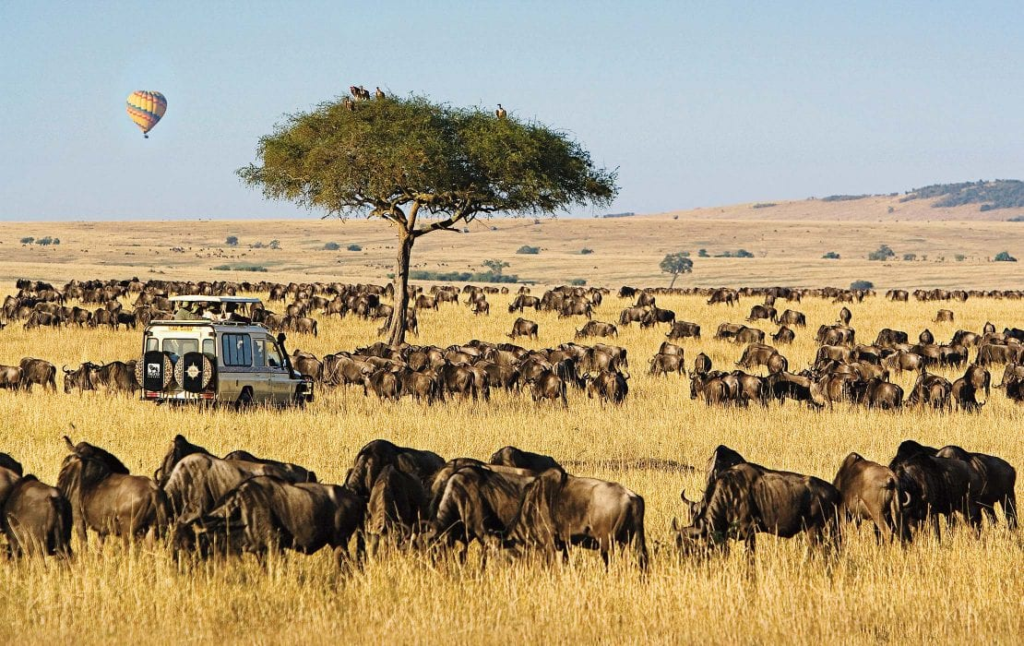
The Maasai Mara is the heart of the Kenyan safari dream. When people imagine Africa, this is often what they picture. Endless golden plains stretch to the horizon. Acacia trees dot the landscape. Wildlife appears at every turn.
This reserve is world-famous for the Great Wildebeest Migration. Each year, between July and October, millions of wildebeest and zebras cross from Tanzania into Kenya. Crocodile-filled rivers and stalking predators create one of nature’s most dramatic shows.
However, the magic does not end with the migration. The Maasai Mara offers outstanding wildlife viewing all year. Lions lounge in the grass. Leopards rest in trees. Cheetahs sprint across open plains. Because the terrain is open, animals are easy to spot.
Another highlight is the connection to Maasai culture. Visiting a local village adds meaning to your trip. You learn about traditions, dress, and daily life that have remained unchanged for generations.
Why tourists love the Maasai Mara
- High chance of seeing the Big Five
- Open landscapes, ideal for photography
- Hot air balloon safaris at sunrise
- Excellent luxury and mid-range camps
If you are going on safari for the first time, the Maasai Mara is often the best place to start.
This is Kenya’s most famous safari destination. It offers endless plains and dense wildlife populations.
Highlights
- Great Migration
- Big cats year-round
- Hot air balloon safaris
Best for: First-time safari travelers and photographers
2. Amboseli National Park
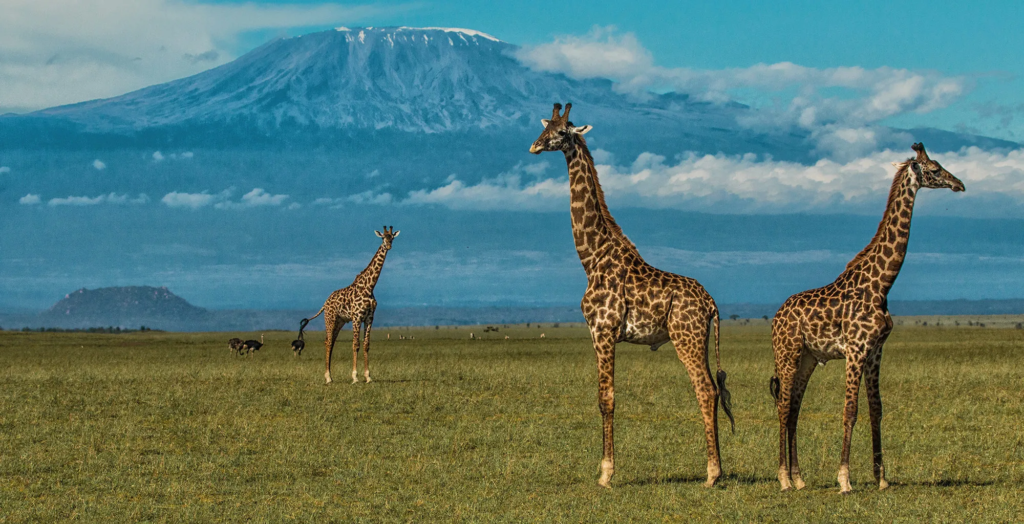
Amboseli is small, but it leaves a lasting impression. The park is famous for one thing above all else: elephants. Some of Africa’s largest elephant herds roam freely here.
What makes Amboseli truly special is the view. On clear mornings, Mount Kilimanjaro rises behind the park. Snow-capped and majestic, it creates one of the most photographed safari scenes in Africa.
The landscape is flat and open. This makes wildlife viewing easy and relaxed. You can often watch elephants for hours as they move across the plains. Buffalo, giraffes, zebras, and lions are also common sightings.
Amboseli is also excellent for travelers who prefer a slower safari pace. The park feels peaceful. Sunsets are golden and dramatic. Evenings at camp are quiet and intimate.
Amboseli is known for its massive elephant herds and iconic views.
Why tourists choose Amboseli
- Unmatched elephant encounters
- Iconic Mount Kilimanjaro views
- Short travel distance from Nairobi
- Great for couples and photographers
Amboseli pairs perfectly with the Maasai Mara for a well-rounded safari.
Highlights
- Elephants with Mount Kilimanjaro backdrop
- Open landscapes for easy viewing
Best for: Elephant lovers and scenic photography
3. Lake Nakuru National Park
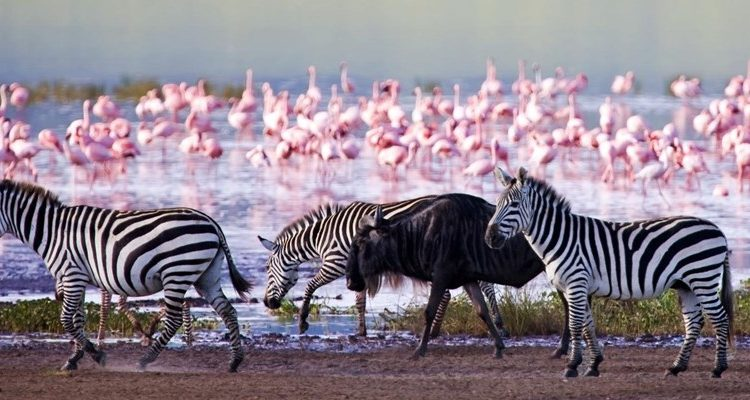
Lake Nakuru offers a very different safari experience. Instead of wide plains, you find forests, lakeshores, and rocky viewpoints. This variety makes it feel intimate and scenic.
The park is best known for its rhino conservation efforts. Both black and white rhinos live here. This makes Lake Nakuru one of the most reliable places in Kenya to see these rare animals.
Flamingos once covered the lake in pink. While numbers now change with water levels, birdlife remains impressive. Pelicans, eagles, and hundreds of species thrive in the area.
Because the park is compact, it is ideal for shorter stays. Many travelers visit for one or two nights. Yet, the experience feels complete and rewarding.
Why tourists enjoy Lake Nakuru
- One of the best places to see rhinos
- Beautiful viewpoints and landscapes
- Excellent birdwatching
- Easy addition to longer itineraries
Lake Nakuru is perfect for travelers who want variety beyond the classic savannah.
This park is smaller but incredibly rewarding.
Highlights
- Flamingos and pelicans
- Black and white rhinos
- Woodland and lake scenery
Best for: Short safaris and bird enthusiasts
4. Samburu National Reserve
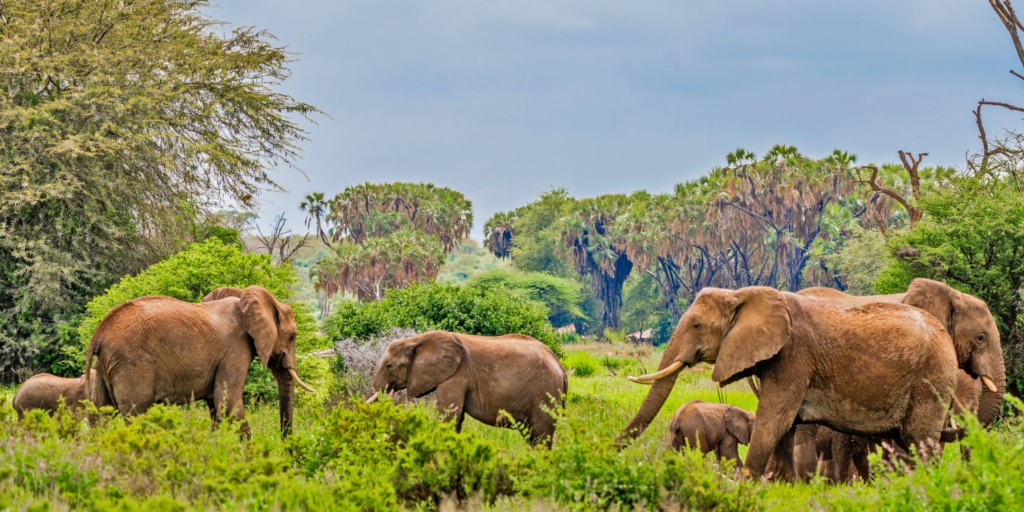
Samburu feels like a different world. Located in northern Kenya, it is drier, more rugged, and far less crowded. This remoteness adds to its appeal.
The reserve is home to rare species not found in southern Kenya. These include Grevy’s zebra, reticulated giraffe, and Somali ostrich. Wildlife gathers along the Ewaso Ng’iro River, especially during dry months.
Cultural experiences are another highlight. The Samburu people share close ties with the land. Visiting local communities gives insight into a proud and resilient culture.
Safari camps here often feel exclusive. Many overlook the river, where elephants and leopards come to drink. Nights are quiet, and stars shine brightly.
Why tourists fall in love with Samburu
- Rare wildlife species
- Fewer vehicles and crowds
- Authentic cultural experiences
- Strong sense of adventure
Samburu is ideal for travelers who want something beyond the typical safari route.
Located in northern Kenya, Samburu feels wild and remote.
Highlights
- Rare species like Grevy’s zebra
- Samburu culture
- Fewer crowds
Best for: Adventurous travelers and repeat safari guests
5. Tsavo East & Tsavo West National Parks
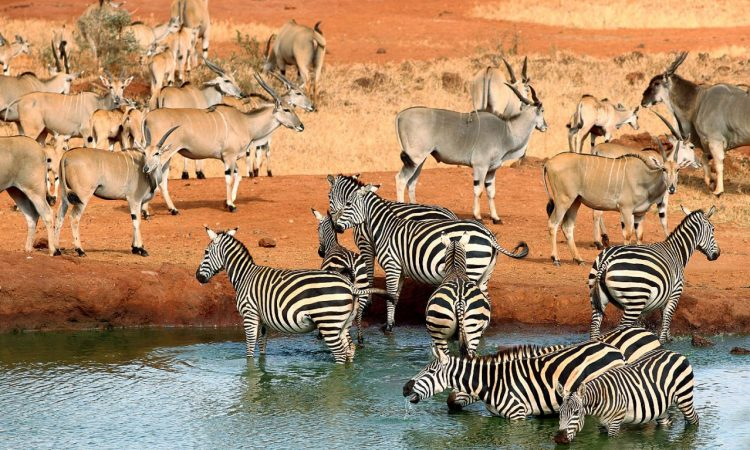
Tsavo is massive. In fact, it is one of the largest national park systems in Africa. This scale evokes a genuine sense of wilderness.
Tsavo East is known for its red elephants. The soil stains their skin, giving them a unique appearance. The park is expansive and open, making game viewing a rewarding experience.
Tsavo West is more dramatic. Volcanic hills rise from the plains. Lava flows shape the land. Mzima Springs, with its crystal-clear water, attracts hippos and crocodiles.
Because Tsavo lies between Nairobi and the coast, it works perfectly with beach holidays. Many travellers enjoy safari drives before relaxing by the Indian Ocean.
Why tourists choose Tsavo
- Vast, uncrowded landscapes
- Unique red elephants
- Dramatic scenery and geology
- Easy combination with beach resorts
Tsavo is best for travelers who want space, scenery, and a slower rhythm.
These parks form one of the largest protected areas in Africa.
Highlights
- Red-dust elephants
- Volcanic landscapes
- Mzima Springs
Best for: Longer safaris and travelers combining safari with the coast
Best Kenya Safari Itineraries (7–12 Days)
7-Day Classic Kenya Safari
Ideal for first-time visitors
- Day 1: Arrive in Nairobi
- Day 2–4: Maasai Mara
- Day 5: Lake Nakuru
- Day 6–7: Amboseli
This itinerary balances wildlife, scenery, and comfort.
9-Day Kenya Wildlife & Culture Safari
Ideal for deeper exploration
- Day 1–2: Nairobi
- Day 3–4: Samburu
- Day 5: Ol Pejeta Conservancy
- Day 6–7: Lake Nakuru
- Day 8–9: Maasai Mara
This route adds rare species and cultural depth.
12-Day Kenya Safari & Beach Escape
Ideal for luxury and relaxation
- Day 1–2: Nairobi
- Day 3–5: Maasai Mara
- Day 6–7: Amboseli
- Day 8–12: Diani Beach
This is one of the most popular combinations.
Safari Activities You Can Enjoy in Kenya
Kenya offers more than game drives. Variety adds richness to your trip.
1. Game Drives
Morning and evening drives maximize wildlife sightings.
2. Hot Air Balloon Safaris
Float above the Maasai Mara at sunrise. Champagne breakfast included.
3. Walking Safaris
Available in conservancies with trained guides.
4. Cultural Visits
Meet Maasai or Samburu communities and learn about traditions.
5. Night Game Drives
See nocturnal animals in private conservancies.
Safari Lodges & Camps
Kenya offers a wide range of accommodation.
1. Budget Camps
- Comfortable tents
- Shared facilities
- Great value
2. Mid-Range Lodges
- En-suite tents or rooms
- Swimming pools
- Excellent guides
3. Luxury Safari Camps
- Spacious tented suites
- Private decks and plunge pools
- Personalized service
Luxury camps often include all meals, drinks, and activities.
Estimated Budget for a Kenya Safari
Costs depend on season, comfort level, and itinerary.
Budget Breakdown (Per Person)
| Safari Style | Estimated Cost (7–10 Days) |
|---|---|
| Budget | $2,500 – $3,500 |
| Mid-Range | $4,000 – $6,500 |
| Luxury | $8,000 – $15,000+ |
Included
- Accommodation
- Meals
- Game drives
- Park fees
Not Always Included
- International flights
- Tips
- Balloon safaris
What Makes a Kenya Safari Special (Perks)
- Excellent English-speaking guides
- Strong conservation efforts
- Easy domestic flights between parks
- High-quality photography opportunities
- Combination of safari and beach
These perks make Kenya ideal for honeymoons, milestone trips, and family safaris.
Practical Planning Tips Before You Go
Packing Essentials
- Neutral-colored clothing
- Comfortable walking shoes
- Camera with zoom lens
- Sunscreen and hat
Health & Safety
- Consult a travel clinic
- Use insect repellent
- Follow guide instructions
Travel Style
Decide early if you prefer road safaris or fly-in safaris. Fly-in options save time and add comfort.
Summary Table: Best Kenya Safari Trip at a Glance
| Category | Details |
|---|---|
| Best Destination | Maasai Mara |
| Best Time to Visit | July–October |
| Ideal Trip Length | 7–12 days |
| Top Activities | Game drives, balloon safaris |
| Budget Range | $2,500–$15,000+ |
| Best For | First-timers, photographers, couples |
How We Can Help You Plan Your Kenya Safari
Planning the best Africa safari trip in Kenya can feel overwhelming. That is where expert help makes a difference.
We can help you:
- Choose the right parks and itinerary
- Match lodges to your budget and style
- Secure the best seasonal rates
- Arrange flights, transfers, and guides
- Customize honeymoons, family trips, or luxury journeys
With professional planning, your safari becomes seamless and stress-free.
Is Kenya the Best African Safari Destination?
For many travelers, the answer is yes. Kenya offers iconic wildlife, reliable sightings, and diverse experiences. It works for first-time safari guests and seasoned adventurers alike.
If you are dreaming of your best Africa safari trip, Kenya deserves a top spot on your list. With the right planning, it will exceed expectations and create memories that last a lifetime.
BOOK YOUR FREE CONSULTATION WITH US
Related Articles
Leave a Reply