
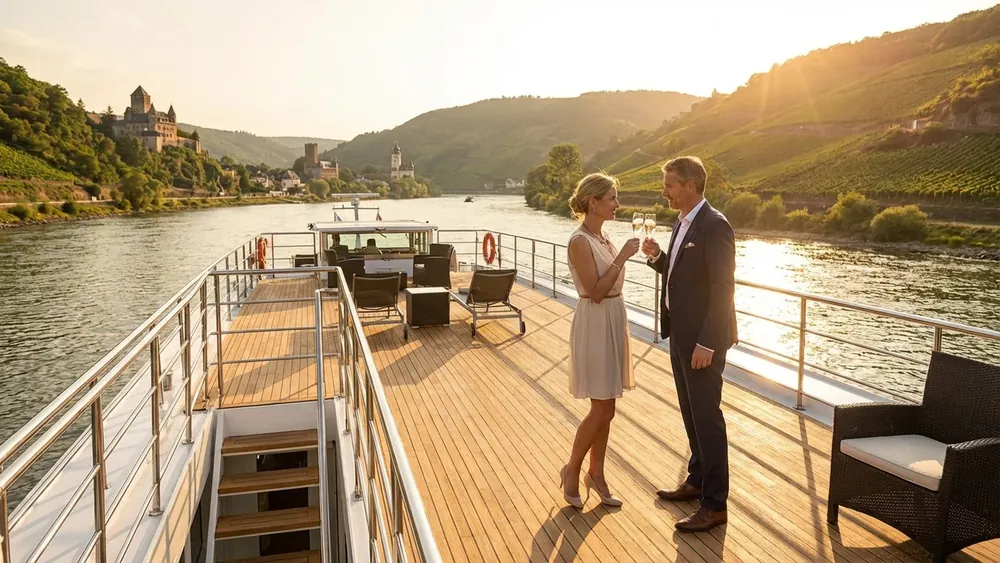
River and Small Ship Cruises are the perfect fit if you care more about destinations than water slides, and you want fewer people in your way when you step off the gangway.
You trade mega‑ship spectacle for smaller crowds, stronger itineraries, and a quieter onboard experience. This guide breaks down the real differences between river cruises and small ship ocean cruises, realistic 2026-2027 pricing, weather and safety issues you should not ignore, and how to pick an itinerary that fits how you actually like to travel.
River Cruises vs Small Ship Cruises: The Key Differences
. Visual focus: Visually compare river cruises and small ship cruises based on key.](http://luxuryvacationsconsulting.com/wp-content/uploads/2025/12/river-and-small-ship-cruises-2026-infographic-1-river-vs-small-ship-cruise-comparison.webp "River and Small Ship Cruises – 2026 Guide | Expert Picks – River vs. Small Ship Cruise Comparison overview.")
You will see a lot of glossy marketing language once you start hunting for river cruise deals. Before you get swept up in that, you need to be clear about what you are actually choosing between.
What Is a River Cruise?
River cruises run on inland waterways like the Danube, Rhine, Seine, Douro, Mekong, Nile, and Mississippi. These are long, narrow ships built to fit through locks and under bridges, typically:
- Guests: 100–190 passengers
- Length: about 360–450 feet
- Focus: Frequent port calls and cultural touring, not sea days
- Motion: Minimal; rivers behave more like lakes than oceans
You tie up directly in or just outside real cities and towns. You walk off into Vienna, Budapest, Paris , Porto, or Luxor instead of spending an hour on a shuttle from an industrial port.
Core traits of river cruises:
- Very itinerary‑driven: a new town nearly every day, sometimes two
- Walk‑off access to old towns in many ports, though you still deal with cobblestones and the odd steep gangway
- Often all‑inclusive river cruise style: wine with meals, included tours, Wi‑Fi, sometimes gratuities rolled in
- Social but low‑key: talks, local musicians, wine tastings, not water shows and loud nightclubs
Do not expect huge cabins or endless onboard activities. You are paying for the route.
What Is a Small Ship Cruise?
Small ship ocean cruises use seagoing vessels that carry far fewer people than the big resort ships, but you are still on the open ocean:
- Guests: Typically 50–1,000 passengers, often 100–700 in the luxury and expedition market
- Focus: Access to smaller ports, remote regions, or just quieter, upscale sailing
- Motion: You will feel the sea, especially in open stretches; how much depends on the route and time of year
These fall into a few buckets:
- Small ship ocean cruises in the Mediterranean, Caribbean, Northern Europe, and Asia
- Expedition cruises to Alaska, the Galápagos, Antarctica, the Arctic, and remote Pacific islands
- High‑end luxury lines with large suites, serious wine lists, and polished service
Cabins tend to be bigger than river cruise cabins, and facilities broader: more dining venues, a real spa, sometimes multiple lounges and a pool. But you trade walk‑off access for tender rides, sea days, and the possibility of rougher conditions.
Which Style Fits You?
Use this as a filter before you start studying deck plans.
- Go for river cruises if you:
- Need calm water and minimal motion
- Want to step into historic centers without a long transfer
- Like structured cultural excursions with a guide holding the sign
- Prefer to unpack once while you work through several inland cities
- Go for small ship cruises if you:
- Want access to remote coasts like Alaska fjords, Galápagos landing sites, Iceland’s edges, or Antarctica
- Do not mind some open‑sea sailing and want more onboard amenities
- Enjoy a mix of sea days and port days to catch your breath
- Want expedition activities: Zodiac rides, guided hikes, cold‑water snorkeling, serious wildlife viewing
If you care more about the bar scene and water parks than the ports, you are not a river or small ship person. Look at larger ocean ships instead.
Major Types of River and Small Ship Cruises
European River Cruises
European river cruises are the easiest entry point. Infrastructure is strong, logistics are straightforward, and first‑timers rarely regret starting here.
Key rivers and profiles:
- Danube: Budapest, Vienna, Bratislava, often extending into Germany or down toward the Black Sea. Strong, reliable choice for first‑timers.
- Rhine: Steep vineyards, hilltop castles, and compact towns between Amsterdam and Basel.
- Seine: Paris round‑trip, Normandy, Monet’s Giverny. Heavy on history and art.
- Douro: Portugal’s wine country; long stretches of scenic vine‑covered hills, fewer port stops, relaxed pace. This region pairs well with a broader Portugal or Europe honeymoon if you are already considering a Portugal honeymoon or nearby Mediterranean itinerary.
- Rhône/Saône: Provence and Burgundy, heavy on food and wine.
Typical trip length: 7–8 nights on the river, often bundled with 2–3 nights in a gateway city such as Budapest, Amsterdam, or Paris. Those hotel nights are not always included in the headline fare, so read the breakdown carefully.
Other Notable River Regions
Outside Europe, river cruises shift from “easy vacation” to “light expedition” in some cases.
- Nile River cruises (Egypt): Focused on ancient temples, tombs, and Egyptology. Usually combined with hotel nights in Cairo. Do not ignore visa rules and current security advisories here.
- Mekong River cruises (Vietnam & Cambodia): Strong cultural emphasis, with wet markets, floating villages, and rural stops. Heat and humidity can be intense; plan your travel month carefully.
- Mississippi River cruises (USA): Routes between New Orleans, Memphis, and St. Paul, with American history, music, and regional food themes. More domestic‑friendly in terms of paperwork, but still not cheap.
Small Ship Ocean Cruises
Luxury small ship ocean cruises generally operate in:
- Mediterranean: Greece, Croatia, Italy, and the French Riviera, often using smaller harbors that 4,000‑passenger ships cannot touch. Expect tender boats for some stops. Many couples combine these sailings with a dedicated Italy honeymoon or Greek islands escape.
- Northern Europe: Norwegian fjords, Baltic capitals, British Isles, and Scotland’s islands. Cool weather, long summer days, and some rough North Sea crossings if you hit the wrong week.
- Caribbean and Central America: Smaller harbors, yacht‑style experiences, and sometimes water sports directly from the stern platform. Sargassum seaweed can occasionally affect specific beach stops and water clarity; do not assume every bay looks like a postcard year‑round.
- Alaska: Read our Best Alaska Cruises for Seniors Cruises guide.
You can expect more facilities than on river ships: multiple restaurants, a spa, a pool or two, and often balconies in most cabins. You also get the usual ocean‑cruise fine print: outside vendor fees if you book non‑ship excursions, and higher onboard prices if you are careless with spa and bar tabs.
Expedition Cruises
Expedition cruises fall under the small ship umbrella, but their mindset is different. You are there to explore, not sit at the pool all day.
- Alaska small ship cruises: Smaller vessels access tighter bays, narrow fjords, and quieter coves, often with kayaks and Zodiacs launched right from the ship. You usually get more glacier time and closer wildlife viewing than on big ships.
- Galápagos small ship cruises: 16–100‑guest vessels with mandatory park‑licensed naturalist guides. Routes and landing numbers are tightly controlled by park rules. If a ship bends the rules, you do not want to be on it.
- Polar expeditions (Antarctica, Arctic): Ice‑strengthened ships, Zodiac landings, and daily lectures from geologists, biologists, and historians. Weather dictates everything. Some landings get canceled, and you respect that if you want to return with all your fingers.
These trips prioritize landings, Zodiac rides, and wildlife over flashy entertainment. Balcony sizes and cocktail menus matter less here than the captain’s judgment and the caliber of the expedition team.
Current Costs and Inclusions (2025–2026)
Prices swing wildly based on line, ship size, cabin type, and when you book, but you need realistic ranges before you start chasing “deals” that are not deals at all.
River Cruise Pricing
For European river cruises in 2025–2026:
- Mainstream premium lines:
- Around $350–$650 per person, per night for standard cabins
- The Douro and peak holiday sailings like Christmas markets often sit at the top of that band or above
- Luxury river cruises:
- Around $600–$1,100 per person, per night for leading luxury brands and suites
Common inclusions:
. Visual focus: Illustrate typical river cruise inclusions (accommodation, meals,.](http://luxuryvacationsconsulting.com/wp-content/uploads/2025/12/river-and-small-ship-cruises-2026-infographic-2-river-cruise-pricing-what-s-included.webp "River and Small Ship Cruises – 2026 Guide | Expert Picks – River Cruise Pricing: What's Included? overview.")
- Accommodation and three meals a day
- Wine, beer, and soft drinks with meals; some lines run open bar most of the day
- At least one included shore excursion in most ports
- Wi‑Fi, although signal strength can nosedive in some stretches
- Port charges and taxes on many itineraries, but not all; some lines still add those as separate line items
Typical extras:
- Premium shore excursions or fully private touring
- Crew gratuities: often $15–$25 per person, per day if the line does not bundle them
- Pre‑ and post‑cruise hotels and airport transfers
- Travel insurance, which you should treat as mandatory, not optional. For destination wedding and honeymoon sailings, a policy tailored to destination wedding travel insurance‑style coverage can be especially helpful.
Do not just chase a low sticker price. When one river cruise line looks “cheaper,” check whether they quietly push more cost into excursions, drinks, and tips.
Small Ship and Expedition Cruise Pricing
For small ship ocean cruises in 2025–2026:
- Premium small ship lines:
- Around $400–$800 per person, per night in standard categories
- Top luxury and all‑suite ships:
- Around $700–$1,500 per person, per night, especially when guest counts are lower and dates fall in prime season
For expedition cruises (Alaska, Galápagos, polar):
- Alaska small ship cruises:
- Typically $600–$1,200 per person, per night, depending on ship size, cabin, and remoteness of the route
- Galápagos small ship cruises:
- Often $800–$1,500 per person, per night, plus mandatory park fees and internal flights within Ecuador
- Antarctica/Arctic:
- Often $900–$2,000+ per person, per night on true expedition vessels with strong ice ratings and serious expedition staff
Inclusions are usually broader on expedition trips:
. Visual focus: Illustrate typical small ship & expedition cruise inclusions.](http://luxuryvacationsconsulting.com/wp-content/uploads/2025/12/river-and-small-ship-cruises-2026-infographic-3-small-ship-expedition-cruise-pricing-what.webp "River and Small Ship Cruises – 2026 Guide | Expert Picks – Small Ship & Expedition Cruise Pricing: What's Included? overview.")
- Zodiac outings and landings
- Lectures, guided hikes, and sometimes photography support
- Park or landing fees on many itineraries
- House beverages on luxury expedition lines
- Loaned gear such as parkas and boots for polar voyages on select ships
When comparing river cruise deals against small ship offers, do the math properly. Normalize to per‑person, per‑night including taxes, port charges, expected gratuities, and non‑ridiculous drinks. If you skip that step, you will fool yourself.
Seasonal and Weather Risks: What You’re Rarely Told
It is not enough to ask “What month is best?” You need to understand what can go wrong and whether you can live with those trade‑offs before you lock in flights and non‑refundable pre‑stays.
River Conditions: High Water and Low Water
European river cruises have two main headaches: too much water and too little.
- High water (flooding):
- More common in late spring (April–June), depending on snowmelt and rainfall.
- Problem: Ships cannot clear low bridges, which means they either stop short or you move to a different vessel beyond the obstruction. You can find yourself on a coach more often than you planned.
- Low water (drought):
- More common in late summer to early fall during very dry years.
- Problem: Draft‑restricted stretches become unusable, forcing ship swaps or long motorcoach runs to reach some towns.
Operators rarely cancel a whole cruise purely for water levels. They improvise: buses, sister ships, rearranged tours. You may still see the key sights, but you can lose some of the most scenic sailing days that you thought you were paying for.
How to stack the odds in your favor:
- Aim for shoulder periods like May–early June and September for a better balance of weather and water levels. No guarantee, just better odds.
- Carry comprehensive travel insurance that covers trip interruption and unexpected extra nights if things shift.
- Walk in expecting possible adjustments, especially on the Danube and Rhine. The rivers do not care what your brochure promised.
Weather on Small Ship and Expedition Cruises
Weather drives everything at sea. Ignore that, and you will be shocked when ports get skipped.
- Alaska small ship cruises:
- Best blend of weather and wildlife: June–August. May and September are cooler and wetter but see fewer crowds and lower prices.
- Motion is usually manageable inside the protected passages, but any Gulf of Alaska crossing or exposed route can get rough quickly.
- Galápagos small ship cruises:
- Operates year‑round. Warmer air and usually calmer seas: December–May.
- Cooler, nutrient‑rich waters: June–November, better for some wildlife and snorkeling encounters but with choppier seas and more wind some weeks.
- Mediterranean small ship cruises:
- Strong months: May–June and September–October.
- July–August brings higher heat, heavier crowds in every old town, and steeper pricing. If you wilt easily in the heat, avoid those two months.
- Polar expeditions:
- Antarctica runs late October–March. Early season means more dramatic ice and fewer ships but harder landings; later season brings more whales, some slush, and slightly milder conditions.
Weather, Hurricanes, and Wind
. Visual focus: Visually explain the risks of high and low water levels on European.](http://luxuryvacationsconsulting.com/wp-content/uploads/2025/12/river-and-small-ship-cruises-2026-infographic-4-river-cruise-water-level-risks.webp "River and Small Ship Cruises – 2026 Guide | Expert Picks – River Cruise Water Level Risks overview.")
- Some Caribbean small ship routes rely on beach landings where seaweed piles up and makes swimming unappealing.
- It also affects water clarity at some snorkeling stops, especially late spring through summer in bad years.
Hurricane season (June–November) hits Caribbean and parts of North American coastal cruising:
- Caribbean, Bahamas, and some Gulf and East Coast small ship routes are exposed.
- Atlantic crossings and repositioning cruises can see reroutes, skipped ports, or extended days at sea.
If you do not want that stress, you should:
- Target early June or late November, or better yet, travel outside hurricane season
- Shift focus to Northern Europe, Mediterranean shoulder seasons, or river cruises during peak storm months
Wind is the quiet troublemaker on expedition cruises. Strong winds can freeze Zodiac operations, especially around polar landings and in exposed anchorages. Expedition leaders constantly reshuffle landing sites and times for safety.
If you need a rigid schedule, expedition travel will frustrate you. It is better to treat the printed itinerary as a flexible wish list and trust the captain and expedition team to pivot according to conditions.
Onboard Experience: What to Expect
Cabins and Public Spaces
- River ships:
- Cabins are compact but functional, with clever storage and many French balconies or small step‑out balconies.
- Public space is limited: one main lounge, one dining room, a small gym at best, and a sun deck that closes when you hit low bridges.
- Small ships:
- Generally larger cabins and real balconies, plus more suite categories.
- Several lounges, specialty restaurants, pools or hot tubs, often a spa and a small theater or lecture room.
For motion‑sensitive travelers:
- On rivers, motion is barely noticeable unless you are extremely sensitive.
- At sea, choose mid‑ship, lower‑deck cabins if you want to reduce movement. Avoid the bow and top decks if you know you are prone to seasickness. Do not wait until you are already ill to dig out medication.
Dining and Dress Code
- Dining:
- River cruises: one main restaurant, fixed meal times, maybe a smaller secondary venue for lighter or themed meals.
- Small ship cruises: more variety; usually a main restaurant, buffet, and one or more specialty venues, sometimes at an extra charge.
- Dress code:
- River cruises: smart casual most of the time. You may see a “dress up” evening, but no one demands tuxedos.
- Small ship luxury: “country‑club casual” most evenings, with optional formal or “elegant” nights on some lines.
If stuffing gowns, suits, and dress shoes into a suitcase sounds miserable, choose brands with relaxed dress codes and avoid traditionally formal lines.
Enrichment and Shore Excursions
River cruises:
- Daily shore excursions are usually included or partially included, broken up by activity level (easy, regular, active).
- Onboard lectures lean toward local history, wine, or cooking demonstrations.
- Evenings offer small‑scale entertainment: local performers, a house pianist, maybe a themed night if you are lucky.
Small ship and expedition cruises:
- Strong focus on lectures about wildlife, geology, history, and photography.
- Guided hikes, Zodiac tours, snorkeling, kayaking, snowshoeing, or camping on the ice on certain itineraries.
- Many lines run “choose your level” outings, with relaxed walks for some guests and harder hikes for others.
I strongly advise you to review sample daily programs from the lines you are considering. That is the reality of your day to day, not the brochure phrase about “immersive experiences.”
Who Is a Good Fit (and Who Isn’t)?
Best Suited For River Cruises
River cruises tend to work best for:
- Travelers who want cultural immersion without juggling trains, rental cars, and multiple hotel check‑ins
- Couples and friends, usually 45+, though a few lines actively court younger professionals and families
- Solo travelers who prefer small, social ships; look specifically for solo cabins or reduced single supplements
- Guests with mild mobility issues who can handle a few hours of city walking with breaks, but do not want huge ships and long pier walks
If you need kids’ clubs, late‑night parties, or bumper cars, you are in the wrong segment.
Best Suited For Small Ship and Expedition Cruises
Small ship and expedition cruises suit travelers who:
- Prioritize nature, scenery, and remote destinations over shopping malls at every port
- Travel with cameras or binoculars and genuinely care about wildlife and landscapes
- Are comfortable with Zodiacs, wet landings, uneven trails, or short but occasionally steep hikes
- Value more elbow room onboard and a higher level of amenities than river ships can offer
If you refuse to step in a Zodiac or layer up in the cold, do not book a polar expedition and then complain that it is not a spa resort.
When You Might Prefer a Traditional Large Ship
A large ocean liner can be the better fit if you:
- Travel with younger children who need waterparks, kids’ clubs, and character meet‑and‑greets
- Want many dining and entertainment options at different price points
- Need maximum budget flexibility, as per‑night costs on big ships can drop significantly in shoulder seasons
River and small ship cruises are not “entry‑level bargains.” They are specialized products. Pick the right tool for the job.
Itinerary Planning: Matching Cruise Style to Destination
Popular River Cruise Itineraries
- Danube Classics (7–8 nights):
- Common pattern: Budapest – Vienna – Wachau Valley – Passau – Regensburg (details vary by line).
- Reliable for first‑timers, classical music fans, and anyone drawn to Christmas markets in late November and December. For December, you can even pair this with a dedicated Rhine River Christmas markets cruise.
- Rhine Castles & Swiss Alps (7 nights):
- Amsterdam – Cologne – Rhine Gorge – Rüdesheim – Strasbourg – Basel.
- Strong mix of castles, vineyards, and compact towns; ideal from spring through early fall.
- Seine & Normandy (7 nights):
- Paris round‑trip, with calls for Giverny and the D‑Day landing beaches.
- Serious draw for history buffs, especially World War II, and art lovers.
- Douro Valley (7 nights + Porto stay):
- Porto – Regua – Pinhão – Vega de Terrón.
- More time on the water, steeper terraces of vines, fewer ports, and an obvious wine focus. Great if you value scenery and slower pace over museum count.
Signature Small Ship and Expedition Itineraries
- Alaska Small Ship Cruises (7–14 nights):
- Focus on the Inside Passage, Tracy Arm, Glacier Bay, Prince William Sound, or similar regions.
- Smaller ships reach tucked‑away coves, linger at glaciers, and keep wildlife viewing groups small. You will feel the difference versus a 3,000‑passenger ship.
- Galápagos Small Ship Cruises (7–10 nights on board):
- Routes are highly regulated; you choose mainly based on pace, ship comfort, and guide quality.
- Often paired with time in Quito or Guayaquil for logistics. Internal flights and national park rules add complexity; do not book flights without checking timing and baggage limits.
- Mediterranean Small Ship Routes (7–10 nights):
- Greek Isles, the Adriatic (Croatia, Montenegro), and the Amalfi Coast tend to dominate.
- Strong match for travelers who want cultural touring by day and relaxed, yacht‑style evenings with a drink on deck, not crowded megaship promenades. Many couples use these itineraries as the backbone of an Italy honeymoon package or broader Mediterranean honeymoon.
- Antarctica Expeditions (10–21 nights):
- Classic Antarctic Peninsula options, plus longer itineraries that add the Falklands and South Georgia.
- Intensely focused on wildlife and ice, with daily Zodiac outings when weather cooperates. These are not casual vacations; they are serious trips that demand flexibility and the right gear.
Booking Strategy: Timelines, Deposits, and Insurance
When to Book (2025–2026 Departures)
If you want prime dates and cabins for European river cruises or the more sought‑after expedition cruises, you cannot book last minute and expect miracles.
. Visual focus: Illustrate a timeline showing the ideal booking window for river and.](http://luxuryvacationsconsulting.com/wp-content/uploads/2025/12/river-and-small-ship-cruises-2026-infographic-5-river-small-ship-cruise-booking-timeline.webp "River and Small Ship Cruises – 2026 Guide | Expert Picks – River & Small Ship Cruise Booking Timeline overview.")
- Plan to book 12–18 months in advance for peak‑season European rivers and top expedition itineraries. That is when the good cabins and early‑booking promotions line up.
- For shoulder‑season itineraries, 9–12 months usually works, but do not wait longer if you want specific dates or cabin types.
Last‑minute deals exist, but you sacrifice choice. Solo cabins, triples, and the best mid‑ship locations disappear first.
Deposits and Final Payment
Each line sets its own policies, but you will see the same pattern broadly:
- Deposit:
- Around $250–$1,000 per person for river cruises.
- Around $1,000–$3,000 per person for high‑end small ship and expedition cruises.
- Final payment due:
- Typically 90–120 days before departure. After that, penalties rise sharply.
Watch for:
- Early booking promotions that might include discounts, bundled airfare, or onboard credit
- Reduced single supplements if you are a solo traveler; these can make or break a river cruise budget
- Occasionally, more flexible or even refundable deposits if you commit far ahead, though fine print always matters
Travel Insurance and Documentation
Skipping proper coverage and documentation is how people turn a good cruise idea into an expensive mess.
I strongly recommend:
- Comprehensive travel insurance that covers:
- Trip cancellation and interruption for a wide range of reasons
- Medical care and evacuation, especially important for remote regions like Antarctica or the Galápagos
- Missed connections for complex air routings and tight connections
- Confirming passport validity early; many countries require it to be valid at least 6 months beyond your return date, and some expedition lines enforce that even if the country does not.
- Checking visa and vaccination requirements carefully for regions such as Egypt, Southeast Asia, or specific South American countries. Electronic authorizations, yellow fever vaccine proof, or tourist visas can all come into play, and you do not want to discover that at the airport.
How to Choose a River or Small Ship Cruise Line
Key Factors to Evaluate
- Ship Size and Guest Count
- River: 100–190 guests. Bigger does not mean better, just a bit busier at breakfast and on buses.
- Small ship: 50–1,000 guests. True expedition ships tend to sit at the lower end; luxury small ocean ships skew higher. Smaller feels more intimate but usually costs more.
- Inclusions and Price Transparency
- Check if the fare covers gratuities, drinks, Wi‑Fi, and all shore excursions, or if you will quietly add $50–$150+ per person, per day once you are onboard.
- Ask about outside vendor fees if you want to use non‑ship tour operators in port; some cruise lines add hefty penalties or restrict such bookings.
- Style and Demographics
- Decide whether you want a quiet, lecture‑driven vibe with early nights or a livelier bar and lounge scene.
- Some brands skew older and more formal; others attract a broader mix, including families and younger professionals. The wrong match here matters more than the wine list.
- Cabin Types and Accessibility
- On river ships, understand the difference between true balconies and French balconies (sliding doors with railings but minimal step‑out space).
- Confirm accessibility: elevators versus stair‑only access, and whether dining rooms and lounges are reachable without stairs. Do not assume.
- Reputation for Handling Disruptions
- On rivers, ask how the line typically handles high/low water: ship swaps, compensation, and communication. Some are blunt and organized; others gloss over issues.
- On expedition cruises, focus on how flexible itineraries are, how captains and expedition leaders adjust plans for wildlife sightings and weather, and what guests say about missed landings.
If you care about a smoother experience, prioritize service, reliability, and problem‑solving track record ahead of chasing the lowest fare. A cheap cruise that mishandles disruptions costs you more in lost time and aggravation.
Working With a Specialist
A dedicated cruise consultant who understands river cruises and small ship ocean cruises earns their keep in a few specific ways:
- Comparing multiple river cruise lines and small ship options against your budget, timing, and preferred style instead of locking you into one brand by default
- Advising on cabin selection, because placement matters for noise, motion, and daylight more than brochures admit
- Coordinating flights and pre‑/post‑cruise stays, so you are not sprinting through foreign airports or arriving jet‑lagged the day the ship sails
- Monitoring for price changes, promotions, or upgrade offers after booking where policies allow it, and getting you value you probably would not notice yourself
- Setting up private shore excursions if you want to avoid packed buses and see more than the standard one‑size‑fits‑all city tour
If you are building a more complex plan such as back‑to‑back rivers, a pre‑tour, or combining an Alaska small ship cruise with remote lodges, professional support often prevents expensive mistakes that only show up once you are already en route. And if you are pairing your cruise with a wedding or honeymoon, it helps to work with someone who already plans destination wedding travel and complex celebration trips regularly.
Frequently Asked Questions
Q: What is the main difference between river and small ship cruises?
A: River cruises run on inland waterways with very calm conditions and frequent city stops, usually carrying 100–190 guests and focusing on cultural touring. Small ship cruises operate at sea with 50–1,000 guests, reach coastal and remote regions, and offer more onboard facilities, but you will feel more motion and deal with more weather variables.
Q: How much do river and small ship cruises cost in 2025–2026?
A: For premium European river cruises, expect about $350–$650 per person, per night, and $600–$1,100 for luxury river brands and suites. Small ship and expedition cruises generally range $400–$800 per person, per night on premium lines and $700–$1,500+ on top luxury or remote expedition itineraries, with polar trips often at the high end.
Q: Are river cruises safe for older travelers or those with limited mobility?
A: Yes, river cruises typically work well for older travelers due to calm water and smaller ships. The catch is on shore: many ports have cobblestones, steps, and uneven ground. Choose excursions labeled “easy” or “gentle,” confirm elevator access on board, and understand that some historic centers simply are not wheelchair‑friendly.
Q: Will I get seasick on a river or small ship cruise?
A: On rivers, motion is so limited that seasickness is rare. On small ships at sea, especially in open water or during storms, motion can be noticeable. If you are sensitive, book a mid‑ship, lower‑deck cabin, avoid forward and high decks, and speak with your doctor about effective preventative medication before you sail.
Q: What is usually included in the fare?
A: River cruise fares typically cover accommodation, most meals, wine or beer with meals, Wi‑Fi, and at least one shore excursion in most ports. Small ship and expedition cruises usually include meals, a substantial selection of beverages, lectures, and guided outings, but gratuities, premium alcohol, and special excursions vary by line, so read the inclusions line by line.
Q: When is the best time to book a river or small ship cruise?
A: For popular 2025–2026 European river cruises and Alaska or Galápagos small ship cruises, book 12–18 months ahead if you care about cabin choice and value. Shoulder‑season sailings sometimes allow booking 9–12 months out, but last‑minute space on the best itineraries is limited and usually forces you into leftover cabins.
Q: Do I need travel insurance for these cruises?
A: You are not always required to buy travel insurance, but treating it as optional is a mistake. Strong coverage protects you if you need to cancel for covered reasons, if river levels or weather force disruptions, or if you require medical care or evacuation in remote locations. For expedition and international river cruises especially, it is non‑negotiable in my book.
FAQ Summary
- Q: What is the main difference between river and small ship cruises?
A: River cruises run on inland waterways with very calm conditions and frequent city stops, usually carrying 100–190 guests and focusing on cultural touring. Small ship cruises operate at sea with 50–1,000 guests, reach coastal and remote regions, and offer more onboard facilities, but you will feel more motion and deal with more weather variables. - Q: How much do river and small ship cruises cost in 2025–2026?
A: For premium European river cruises, expect about $350–$650 per person, per night, and $600–$1,100 for luxury river brands and suites. Small ship and expedition cruises generally range $400–$800 per person, per night on premium lines and $700–$1,500+ on top luxury or remote expedition itineraries, with polar trips often at the high end. - Q: Are river cruises safe for older travelers or those with limited mobility?
A: Yes, river cruises typically work well for older travelers due to calm water and smaller ships. The catch is on shore: many ports have cobblestones, steps, and uneven ground. Choose excursions labeled “easy” or “gentle,” confirm elevator access on board, and understand that some historic centers simply are not wheelchair-friendly. - Q: Will I get seasick on a river or small ship cruise?
A: On rivers, motion is so limited that seasickness is rare. On small ships at sea, especially in open water or during storms, motion can be noticeable. If you are sensitive, book a mid-ship, lower-deck cabin, avoid forward and high decks, and speak with your doctor about effective preventative medication before you sail. - Q: What is usually included in the fare?
A: River cruise fares typically cover accommodation, most meals, wine or beer with meals, Wi-Fi, and at least one shore excursion in most ports. Small ship and expedition cruises usually include meals, a substantial selection of beverages, lectures, and guided outings, but gratuities, premium alcohol, and special excursions vary by line, so read the inclusions line by line. - Q: When is the best time to book a river or small ship cruise?
A: For popular 2025–2026 European river cruises and Alaska or Galapagos small ship cruises, book 12–18 months ahead if you care about cabin choice and value. Shoulder-season sailings sometimes allow booking 9–12 months out, but last-minute space on the best itineraries is limited and usually forces you into leftover cabins. - Q: Do I need travel insurance for these cruises?
A: You are not always required to buy travel insurance, but treating it as optional is a mistake. Strong coverage protects you if you need to cancel for covered reasons, if river levels or weather force disruptions, or if you require medical care or evacuation in remote locations. For expedition and international river cruises especially, it is non-negotiable in my book.