Cabins to Avoid on a River Cruise Ship
Avoid the wrong river cruise cabin for your needs. Compare balcony, space, noise, lower-deck, rafting and mobility tradeoffs before you book.
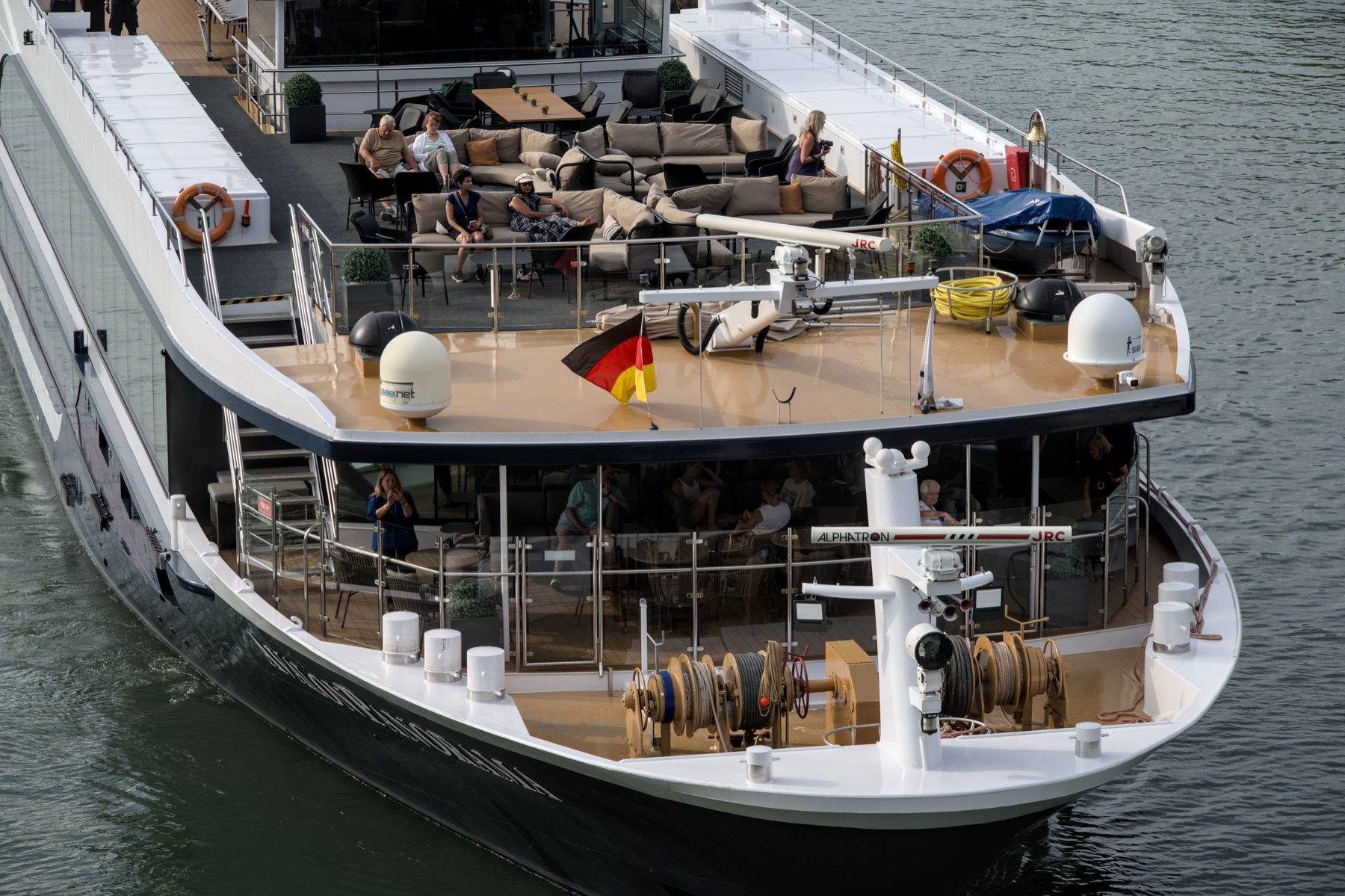
The river cruise cabin to avoid is not automatically the cheapest one, the lowest one or the one at the back. It is the cabin that conflicts with the way you travel.
If you want to open your room to the river, avoid a fixed-window cabin. If you need more room, do not pay more for a balcony until you know how much of the published square footage is indoors.
Similarly, if stairs are difficult, avoid any decks that do not have elevator access. If you are a light sleeper, I would book an aft cabin, a room under an active deck or a cabin beside a service door until you check the specific ship's deck plan.
That last part matters. River ships are not interchangeable, even within the same cruise line.
Quick Answer: Which River Cruise Cabins Should You Avoid?
| Your priority | Cabin to avoid | What to choose instead |
|---|---|---|
| You want a real balcony | Fixed-window or French balcony cabin | A cabin with a confirmed step-out balcony and outdoor seating |
| You want more usable space | A higher-priced category whose balcony takes space from the room, or a cabin with more published space but little extra indoor space | Compare the floor plan, indoor square footage, sitting area and storage |
| You have mobility concerns | A lower deck without elevator access, or a far-forward/far-aft cabin that adds a long walk | A cabin on an elevator-served deck near the elevator |
| You are sensitive to sound or vibration | A cabin beside service doors, near the machine zone, or below an active Sun Deck | A midship cabin with guest cabins above and beside it |
| You are claustrophobic | A below waterline cabin with a high fixed window | A full-height French balcony or panoramic-window cabin |
| You expect an uninterrupted view in port | Any cabin bought solely for the view | Keep the view, but accept that rafting and lock walls can block it temporarily |
| You plan to spend afternoons in your room | The smallest category with no comfortable chair or usable sitting area | A cabin whose floor plan shows a sitting area |
If all of this is hard to remember, my starting point is a midship cabin on an elevator-served passenger deck, with guest cabins above and beside it. Then I change that recommendation for the balcony, space and budget you actually value.
1. Avoid a Fixed-Window Cabin If You Really Want a Balcony
River cruise cabin names can make two very different experiences sound similar.
- A fixed-window cabin has a window that does not open. On lower decks, the window sits high on the wall because much of the cabin is near or below the waterline.
- A French balcony has full-height glass that opens to a railing. You can get fresh air, but you cannot step outside.
- A step-out balcony or veranda has outdoor floor space and seating.
If your picture of the trip includes sitting outside with coffee, do not assume balcony has outdoor space. Ask whether you can step outside and whether there are chairs.
I would not automatically pay for the step-out balcony, though. The balcony earns its price for certain routes, season and your preferred quiet time. Our French balcony vs twin balcony guide explains the difference on AmaWaterways, while the Viking French Balcony vs Veranda comparison separates outdoor space from indoor square footage.
2. Avoid Choosing by Total Square Footage Alone If You Want More Space
People often upgrade because they want a roomier cabin, then discover that part of the advertised size is the outdoor balcony.
Look at the floor plan, not only the number.
I want to see where you will put two suitcases, whether both travelers can move around the bed, how much hanging space you get, where you can sit when the weather is cold and whether the bathroom layout works for you. A balcony may be worth paying for, but it is not automatically the best route to more indoor space.
Avalon’s official Avalon Panorama page makes the category difference clear: its Indigo Deck Deluxe Staterooms are listed at 172 square feet, Panorama Suites on the two decks above at 200 square feet, and Royal Suites at 300 square feet. The important planning lesson is not that one category is universally best. It is that deck, window design, cabin layout and usable interior space must be compared together.
If you want a true suite, verify that it gives you a larger living area rather than only a larger balcony. If you want room to decompress after an excursion, find the chair, table and walking path on the plan before you deposit.
3. Avoid a Deck the Elevator Does Not Reach If Stairs Are a Concern
For mobility, cabin location matters more than the prestige of the deck.
Most river cruise elevators do not reach to the bottom deck with fixed window cabins.
If you use a cane or walker, I would usually choose an elevator-served deck near reception. That can remove repeated corridor walks and unnecessary stairs after a long day ashore. Our river cruises for seniors with limited mobility guide covers the larger decision, including gangways, cobblestones and excursion pace.
4. Avoid the Bottom Deck or Machine Zone If You Are a Light Sleeper
Some passengers reported bothersome sound or vibration near the rear or a crew door. Others described the same general area as quiet or said the steady hum masked hallway noise. Your experience will depend on how you sleep.
For a light sleeper, I would avoid the cabin until I could answer four questions:
- What is immediately behind, below and beside it on this ship?
- Is there a crew entrance, gym, lounge or service door nearby?
- Does the ship often pass locks during sleeping hours on this itinerary?
- Is a comparable midship cabin available for a reasonable difference?
Midship is the safer default when sleep is the priority. Aft is still a good value for someone who is not sensitive to low background sound and would rather spend the savings on the itinerary or pre- and post-cruise travel.
5. Avoid a Top-Deck Cabin Under an Active Sun Deck If Overhead Noise Bothers You
An upper-deck cabin may have the window or balcony you want, but check what is overhead.
The Sun Deck is a busy space, not just a place for guests to sit. Depending on the ship and route, crew may move furniture, prepare deck areas, handle gangways or lower equipment before bridges.
I would look for a cabin with other cabins above it when quiet is more important than being on the highest passenger deck. If the Sun Deck is above, ask what section of the deck sits over the room.
6. Avoid High-Traffic Doors—Unless Shorter Walks Matter More
Cabins near the lobby, stairs and elevator reduce walking. They can also hear more conversation and door movement.
This is a real tradeoff, not a reason to avoid the center of the ship automatically. For someone with limited stamina, I would accept some daytime traffic to shorten every trip to the lounge, restaurant and gangway. For a light sleeper with no mobility concern, I would move several doors away from the traffic.
7. Avoid a Lower Deck Cabin If the Window or Access Will Make You Uncomfortable
Lower deck cabins are often called aquarium class cabins. Much of the room sits near or below the waterline, while a small fixed window remains above it.
Avoid this category if:
- You are claustrophobic or need a full-height view to feel comfortable.
- You want to open the window for fresh air.
- Stairs are difficult.
- You are sensitive to mechanical, water or plumbing sounds.
My Pre-Deposit Cabin Checklist
Before I approve a cabin choice, I walk through these checklists to ensure you are getting the best cabin that matches your preferences:
- Exact ship: Which vessel is scheduled for this departure?
- Exact cabin number: Not only the category or a guarantee.
- Window type: Fixed, French balcony, panoramic opening window or step-out balcony?
- Indoor space: How much is inside, and what type of furniture is available?
- Elevator access: Do elevators serve the cabin, restaurant, lounge and embarkation deck?
- Neighboring spaces: What sits above, below, beside and across from the room?
- Walking distance: How far is the cabin from reception, the gangway, restaurant and lounge?
- Price difference: What are you giving up elsewhere in the trip to buy this cabin?
The Bottom Line
I would avoid absolutes such as “never book the lowest deck” or “always choose midship.” The rule is more specific:
Choose the exact cabin whose window, indoor space, access and surroundings match the way you will use the ship.
If you are still choosing the ship as well as the cabin, use our river cruise line planning guide before you compare room numbers.
Get the Cabin Choice Right Before You Deposit
Send us the itinerary, ship, sailing date and cabin categories you are considering. Luxury Vacations Consulting will compare the current deck plan, usable space, balcony type, access and whole-trip price—not just the category name.
Schedule a complimentary river-cruise consultation.
Frequently Asked Questions
What is the best cabin location on a river cruise ship?
A midship cabin on an elevator-served passenger deck is the best starting point for most travelers. It usually balances shorter walks, access to public rooms and distance from the machinery zone, but you should still check the spaces above, below and beside the exact cabin.
Should I avoid the lowest deck on a river cruise?
Avoid the lowest deck if you need elevator access, want a full-height opening window or feel uncomfortable near the waterline. Keep it on your list if you can manage stairs, use the room mainly for sleeping and would rather spend the savings elsewhere.
Is the back of a river cruise ship noisy?
The aft area can have more engine, maneuvering or operational sound, but not every aft cabin is noisy. Light sleepers should compare the exact cabin with the machinery, crew and public spaces on that ship and choose midship when the price difference is reasonable.
Is a balcony cabin worth it on a river cruise?
A step-out balcony is worth it when private outdoor time is part of the trip you want. Choose a French balcony or panoramic window instead when you mainly want light and fresh air, because rafting, cold weather and time ashore can reduce balcony use.
Which river cruise cabin is best for limited mobility?
Choose a cabin near the elevator or reception on a deck the elevator actually serves. Then verify access to the restaurant, lounge, Sun Deck and gangway on the exact ship; an accessible cabin location does not remove stairs, rafting or uneven shore conditions.
Which river cruise cabin is best if I want more space?
Choose by usable indoor layout, not category name or total square footage alone. Compare the floor plan, sitting area, storage, bed clearance and whether the published size includes an outdoor balcony before paying for an upgrade.