Indian Wedding in Spain: 5 Venues, Costs and Logistics
Compare 5 venues for an Indian wedding in Spain, plus cost ranges and what to contract for Jain catering, baraat, havan, late music and guest transfers.
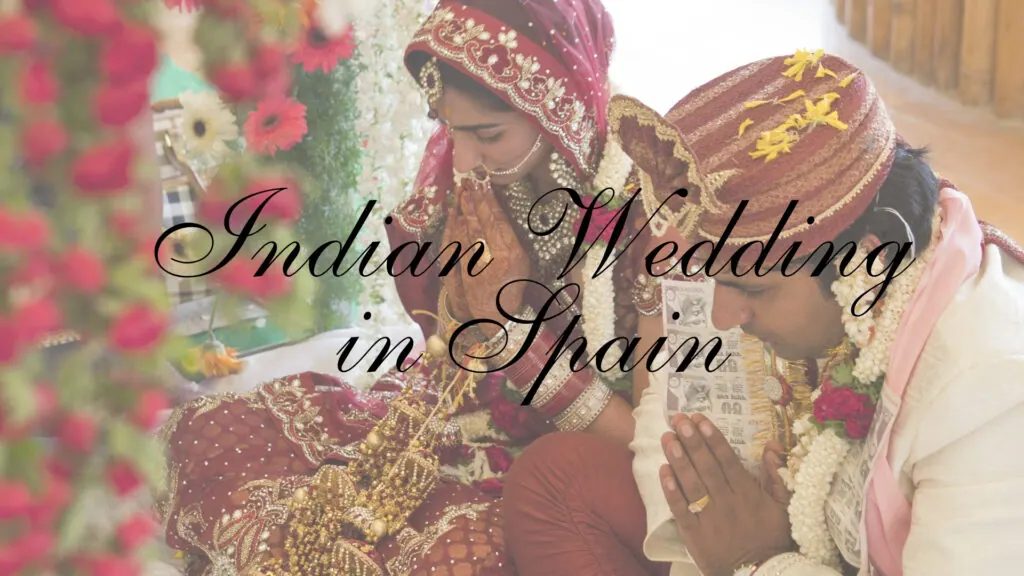
An Indian wedding in Spain fits you if you want a multi-day celebration in a Mediterranean resort or historic estate and you are prepared to plan the venue flow carefully. My recommendation is to choose for operations first: the property must handle a baraat, a safe havan, separate vegetarian or Jain preparation, guest transfers, outfit changes, weather backup and an indoor late-night party under one workable contract. The prettiest finca is not the right venue if those pieces require improvising after deposit.
Quick Fit Check
| Planning priority | Spain fit | What to secure before deposit |
|---|---|---|
| Multi-day Indian wedding | Excellent | Separate spaces and reset time for mehndi, haldi, sangeet, pheras and reception |
| Vegetarian or Jain catering | Strong in major hubs | Written approval for your caterer or guest chef, plus a segregated prep plan |
| Late-night dancing | Strong with the right venue | Contracted indoor party space, music cut-off and any extension fee |
| Elder and family comfort | Strong at resorts; more planning at rural estates | Room plan, step-free routes, shade, toilets and shuttle timing |
| Legal ceremony in Spain | More administration | Decide early whether to complete Spain’s civil process or hold a symbolic ceremony |
Why Choose Spain for Indian Weddings?
- Scenery variety: Mediterranean coasts (Costa del Sol, Costa Brava), islands (Mallorca, Tenerife), Moorish palaces in Andalusia, and chic city views in Barcelona.
- Flight access: Madrid, Barcelona and Málaga offer long-haul and low-cost links across Europe, the Middle East and North America.
- Seasonality for celebrations: Spring and autumn are golden; summers are lively and warm with late sunsets (evening ceremonies are common to beat the heat).
- Service ecosystem: Planners, décor houses, AV teams and Indian/Indian-fusion caterers are established in major hubs; imports for spices and mithai are straightforward.
- Guest experience: Tapas crawls, wine tastings, flamenco nights, beach clubs, yacht days easy to build a multi-day “wedding-cation.”
- Value vs. other Western Europe icons: Comparable quality to Italy/France with generally friendlier buyouts/food & beverage minimums.
- Guest joy factor: Sun, sea, tapas and sangria. Even aunties approve.
What to expect from your Indian Wedding in Spain
- Later timelines: In summer, ceremonies often start 5:30–7:00 pm to reduce heat exposure. Put late dancing in a contracted indoor space with a named finish time rather than assuming the outdoor celebration can continue.
- Multiple event zones: Many estates, beach clubs and resorts have distinct spaces for welcome night, haldi/mehndi, sangeet, pheras, and reception.
- Permits & protections: Expect to plan for fire/ritual permissions for the havan, noise/sound management for baraat/DJ, and backup-weather plans in spring/autumn.
- On-site coordination: Name the bilingual lead responsible for baraat logistics, outfit changes, décor flips and family hospitality; do not leave those handoffs split between the venue and outside planner.
Important information
1) Legal vs. symbolic ceremonies Spain’s official guidance says two foreign nationals can marry there under Spanish formalities or the law that applies to either person. Under the Spanish process, the couple first needs a marriage file or notarial record confirming capacity to marry and the absence of legal impediments; where that file is handled depends in part on residence.
The simpler route for couples who do not want that administrative process is to complete the legal marriage at home and hold a symbolic ceremony in Spain. A Catholic church wedding is another route but requires parish paperwork. Start with Spain’s official marriage guidance, then confirm the route for your nationalities and residence.
2) Noise & curfews Outdoor amplified music often caps around midnight (varies by municipality), while ballrooms and enclosed spaces let you go well past midnight. Write the outdoor cut-off, indoor move time, approved party room, final music time and overtime cost into the contract.
3) Fire/ritual safety A havan or agnikund is typically allowed with containment and venue approval, and some sites require a fire-safety vendor or fire warden. Treat it as an open-flame request, not part of a general ceremony approval. Get the containment method, location, ventilation and fire-safety responsibility approved in writing before deposit.
4) Accessibility & transport Country estates often have narrow access roads. Arrange coaches for guest moves and golf buggies for elders. Put exact pin drops on invitations and WhatsApp groups.
5) Season & weather
- Peak pleasant: April–June, Sept–Oct.
- High heat: Late June–Aug (plan evening events, shaded mandaps, hydration).
- Islands (Mallorca/Tenerife): Milder shoulder seasons and dreamy sea views.
6) Budget framework (September 2025 examples for 150–200 guests)
- Venue rental/buyout: €8,000–€40,000+ (estates/islands/resorts vary).
- Catering (Indian veg): €80–€150 pp per main event; premium multi-course with live stations €150–€220 pp. Jain-specific menus may carry 10–20% surcharge due to special prep/segregation.
- Décor & florals: €15,000–€70,000+ depending on multi-day setups/mandap builds.
- Production (sound/lighting/stage/LED): €10,000–€60,000+.
- Photography/film (2–3 days): €8,000–€30,000+.
- Entertainment (dhol, DJ, live band): €3,000–€25,000+.
- Planning/coordination: 12–15% of total or a flat/project fee.
Logistics for your Indian Wedding in Spain
1. Vegetarian, Vegan & Jain Catering
- Dedicated Indian caterers operate in Barcelona, Madrid, Marbella and the islands; luxury hotels often allow external approved caterers or guest chefs.
- Segregated kitchens: Request a separate veg/Jain prep area, discrete utensils, and signage at buffets.
- Live stations: Chaat, dosa, Indo-Chinese, biryani, and jalebi-rabri win hearts. Provide Spanish vegetarian options.
- Dessert & mithai: Import specialty items or ask for on-site mithai chefs; ensure humidity-controlled storage.
- Beverages: Pair mocktail bars (nimbu pani, kala khatta, mango lassi shooters) with Spanish cava, and local wines.
2. Multi-day venue planning
- Day 1 (Welcome/Mehndi): Poolside tapas + henna garden.
- Day 2 (Haldi + Sangeet): Morning haldi courtyard (hosable flooring); evening sangeet in covered barn/ballroom = late music.
- Day 3 (Pheras + Reception): Sunset mandap (shade + breeze), then move indoors for late dance party.
- After-party: Switch to an indoor sound-proofed room or club-style space.
3. Ritual & Procession
- Baraat: Confirm horse or vintage car, route, decibel limits, and a mobile hydration station. Coastal promenades often need permits book early.
- Pheras comfort: Provide cold towels, fans, parasols, and a water station near the mandap.
- Priest & language: Many priests conduct bilingual rites; line up mic/headset and wind-tested flame guards outdoors.
4. Guest ops
- Room drops: Spanish snacks + itinerary card + hydration packs.
- Shuttle loops: Hotels ⇄ venue on a rolling schedule.
- Childcare: Book vetted sitters; set a kids’ dinner hour and quiet room.
- Accessibility: Ramps to the mandap and ceremony seating reserved for elders.
5. Venue logistics to settle before deposit
| Decision | Put this in writing | Why it matters for an Indian wedding |
|---|---|---|
| Event spaces | Exact spaces, access hours, capacities and rain backup for each function | A venue with one strong lawn can still fail a three-day event flow |
| Catering | External-caterer rules, kitchen access, power, refrigeration, waste and Jain-separation requirements | The menu is only workable if the production kitchen can support it |
| Baraat | Approved route, vehicle or horse rules, sound limits and bad-weather alternative | Rural access roads and shared hotel areas can shorten or reroute the procession |
| Havan | Written flame approval, containment, ventilation and fire-safety responsibility | A general ceremony approval does not automatically approve an open flame |
| Late party | Outdoor cut-off, indoor move time, final music cut-off and overtime cost | “Late license” is not enough unless the contracted room and hours are named |
| Guest movement | Coach access, turnaround space, accessible route, toilets and lighting | This is what protects elders, children and guests changing outfits between events |
Top 5 Locations for Indian Wedding in Spain
- Marbella & Costa del Sol (Andalusia) Glam resorts, beach clubs, mountains views, tons of late night options. Best Mar–Jun, Sept–Oct. Fly into Málaga (AGP).
- Barcelona & Costa Brava (Catalonia) Design-forward city + rustic masias and cliff-framed coves up the coast. Two-center weddings are popular. Fly into BCN.
- Mallorca (Balearic Islands) Honey-stone fincas, sea-view terraces, yacht-day possibilities. Mild shoulders and dramatic sunsets. Fly into PMI.
- Seville & greater Andalusia Orange-blossom courtyards, Moorish architecture, flamenco nights. Warm springs and autumns. Fly into SVQ (plus Málaga/Jerez options).
- Tenerife (Canary Islands) Volcanic landscapes, year-round mild weather, destination-resort infrastructure excellent for buyouts. Fly into TFS/TFN.
Top 5 Venues with Late-Night Flex
Confirm current event rules in the signed proposal.
Masia Cabellut near Barcelona
Strongest fit: A private-estate weekend with the core family on site. The estate hosts parties up to 200, seven double rooms plus a master suite, and the indoor Montserrat hall for events up to 50.
A 150-person celebration needs a separate covered or indoor rain and late-party plan; do not assume the 50-person hall is that plan.
This Must Be The Place in Catalonia
Strongest fit: A design-led celebration using indoor and outdoor spaces. Capacity runs up to 180, with four guest rooms sleeping up to 12 and a 3:00 am license.
We check that the stated license covers your date and contracted room, then align the music finish with the final coach departure.
Finca Amalur in Marbella
Strongest fit: Garden events with a covered dining fallback. The venue has gardens, fountains and a fully equipped covered outdoor dining area.
Do not treat a covered terrace as a ballroom: settle the rain enclosure, caterer rules and music finish in the contract.
Castillo de Monda above Marbella
Strongest fit: Castle atmosphere with hotel rooms for the core group. It is a working boutique hotel with indoor and outdoor celebration spaces, about 15 minutes from Marbella.
Decide whether you need full exclusivity and document which hotel areas remain private during every function.
The Ritz-Carlton Tenerife, Abama
Strongest fit: Resort ease, large groups and a strong indoor backup. The resort has a ballroom with banquet capacity up to 700; outside catering for cultural, religious or specialized needs is considered only by prior approval and conditions.
Ask for that catering exception before deposit, then document Jain prep controls and the exact ballroom handover time.
Sample Packages & Inclusions
These are September 2025 examples and prices/packages change frequently.
A) Barcelona Masia “Three-Day Celebration” (150 guests)
Ideal for: Rustic elegance + late sangeet indoors
What’s included
- Venue (3-day access; welcome, sangeet, main day)
- Seven double rooms plus a master suite on site if choosing Masia Cabellut, with the remaining guests in a nearby hotel block
- Planning & coordination (12 months; vendor curation; bilingual staffing)
- Indian vegetarian catering:
- Welcome night tapas + veg stations
- Sangeet buffet (chaat station, Indo-Chinese live wok, dessert bar)
- Wedding dinner (North Indian veg, Jain option, mithai)
- Décor & Production: mandap build, aisle florals, haldi cabanas, sangeet stage, dancefloor, intelligent lighting & sound, LED wall for performances
- Priest, havan kit & fire compliance
- Entertainment: dhol + DJ + dance troupe (sangeet), live sax/tabla fusion during cocktails
- Transport: 2×50-seater coaches for guest shuttles, airport VIP transfers for families
- Photo/Film: 2 teams over 2.5 days
- After-party: a contracted indoor or covered space sized for the invited after-party count, until the agreed cut-off
Investment: €180,000–€320,000 (venue category and décor scope swing this most).
B) Marbella Coastal “Glam & Club” (180 guests)
Ideal for: Beach welcome, castle vibes or mansion lawns, late-night DJ
What’s included
- Welcome sunset at beach club
- Haldi & Mehndi garden brunch
- Sangeet in covered courtyard or ballroom (late license)
- Wedding day: sunset pheras on lawn or terrace; reception indoors
- Indian veg or mixed menus
- Sound-managed baraat (horse/vintage car, route marshal, decibel plan)
- Premium lighting, cold sparks (indoor-approved version), stage design
- Photo/Film + Same-Day Edit
- Club-style after-party with extended hours (venue-dependent)
Investment: €220,000–€400,000+.
C) Mallorca “Finca Buyout & Ballroom Late-Night” (140 guests)
Ideal for: Island romance with indoor late dance
What’s included
- Boutique finca hotel buyout (2 nights), ceremony terraces + ballroom after midnight
- Poolside mehndi; courtyard sangeet; vineyard-edge pheras
- Indian veg menu with Mediterranean vegetarian interludes; mithai & gelato cart
- Full décor program: mandap + warm candle architecture Mallorca loves candlelit looks
- Production: line array, dancefloor lighting, on-site generator for remote terrace
- Yacht morning-after
Investment: €200,000–€360,000.
D) Tenerife “Resort Ease & Year-Round Weather” (160 guests)
Ideal for: Weather certainty, accessible ballrooms, elder-friendly
What’s included
- 5-star resort event spaces (gardens for pheras, ballroom for late party)
- Multi-day event schedule with on-property dining variety
- Indian veg/Jain-compliant kitchen plan with segregated prep
- AV & staging through resort-approved partners
- Beach cove photoshoot permits
Investment: €190,000 – €340,000.
E) Seville “Heritage & Flamenco Accent” (130 guests)
Ideal for: Courtyards, arches, orange blossoms
What’s included
- Heritage venue + nearby luxury hotel block
- Haldi patio, flamenco-infused mehndi evening, courtyard sangeet (shift indoors late)
- Vegetarian forward menu with Andalusian produce
- Architectural lighting, projection mapping on arches
Investment: €160,000–€280,000.
Inclusions checklist
- Planning: Concept, budgeting, vendor curation, guest comms, rehearsal, show-calling.
- Hospitality: Airport arrivals desk, rooming list, welcome hampers, mehndi scheduling.
- Catering: Veg/Jain workflows, late-night snacks (pav bhaji sliders at 1:30 am = hero move), kids’ buffet.
- Rituals: Priest, havan safety plan, Sanskrit/English script, ring-ceremony add-on if desired.
- Decor: Mandap + phoolon ki chaadar + haldi marigold frames + reception tablescapes.
- Production: Line arrays, wireless mics, in-ear monitors for performers, DJ booth riser, cold sparks / CO₂ jets (venue-approved), dancefloor.
- Entertainment: Dhol, DJ, live band set, sax/tabla/fusion trio, LED dandiya sticks, photobooth.
- Logistics: Shuttle loops, golf buggies, green rooms, outfit steamers, sewing kit, first-aid, vendor meals.
- Permits: Sound, pyrotechnics/cold sparks, fireworks (if allowed), drone ops.
- Rain plan: Marquee specs, flooring, guttering, climate control.
How We Work
At Luxury Vacations Consulting, this is how I run an Indian wedding in Spain:
- Vetted partners per region: Marbella, Barcelona/Costa Brava, Mallorca, Seville and Tenerife.
- Menu guardianship: I audit veg/Jain compliance, cross-contamination controls and the late-night snack plan.
- Ritual readiness: Havan and fire permissions, flame-safe décor, backup stoves for ghee/diya moments and priest coordination.
- Late-night peace of mind: I shortlist venues with indoor extensions or published late licenses, draft sound plans and negotiate clear cut-offs in the contract.
- Guest operations: Transfers, welcome desks, WhatsApp broadcast updates, kids’ zones and accessibility routing.
- Design and production: From marigold-drenched haldi mornings to candlelit mandaps and club-style receptions.
Final thoughts
Spain gives an Indian wedding space for multi-day ritual, food taken seriously and room to dance late. The trick is pairing your design and rites with the right venue anatomy: outdoors for emotion and views, indoors for the late-night energy, all held together by precise logistics.
Related Articles
- Destination Wedding Cost
- Indian Wedding in Portugal
- Indian Wedding in Italy
- Indian Wedding in Mexico
- Wedding Venues in Spain
- How to Hire a Wedding Planner in Spain
FAQ Summary
-
Q: What type of venue works best for an Indian wedding in Spain? A: Choose a venue with separate spaces for each function, a workable catering kitchen, written havan and baraat approval, and an indoor late-party room. A beautiful outdoor estate is a weak fit if it cannot support the sangeet sound plan or weather backup.
-
Q: How much should we budget for an Indian wedding in Spain? A: Use the September 2025 ranges in this guide only as scope examples for 150–200 guests, not as a live quote. Venue, catering, décor, production, photography, entertainment and planning are separate cost drivers, so compare current itemized proposals against the same event schedule and guest count.
-
Q: Can two foreign nationals legally marry in Spain? A: Yes. Spain’s official guidance allows two foreign nationals to marry under Spanish formalities or the law that applies to either person. The Spanish process starts with a marriage file or notarial record confirming capacity and no legal impediments, so confirm the correct authority for your residence before choosing a legal ceremony.
-
Q: How do we plan vegetarian or Jain catering in Spain? A: Get written approval for the caterer or guest chef and specify a separate prep area, utensils, refrigeration, service labels and cross-contamination controls. Confirm the kitchen workflow before signing the venue, not after choosing the menu.
-
Q: What should we confirm about late-night music? A: Put the outdoor cut-off, indoor move time, licensed party room, final music time and overtime cost in the contract. A general claim such as ‘late-night friendly’ is not a substitute for named spaces and hours.