Are Mediterranean Cruises Too Hot in July and August? Best Alternatives for Luxury Travelers
Are Mediterranean cruises too hot in July and August? Compare heat, crowds, ports, shore excursions, luxury cruise timing, and cooler Europe alternatives.
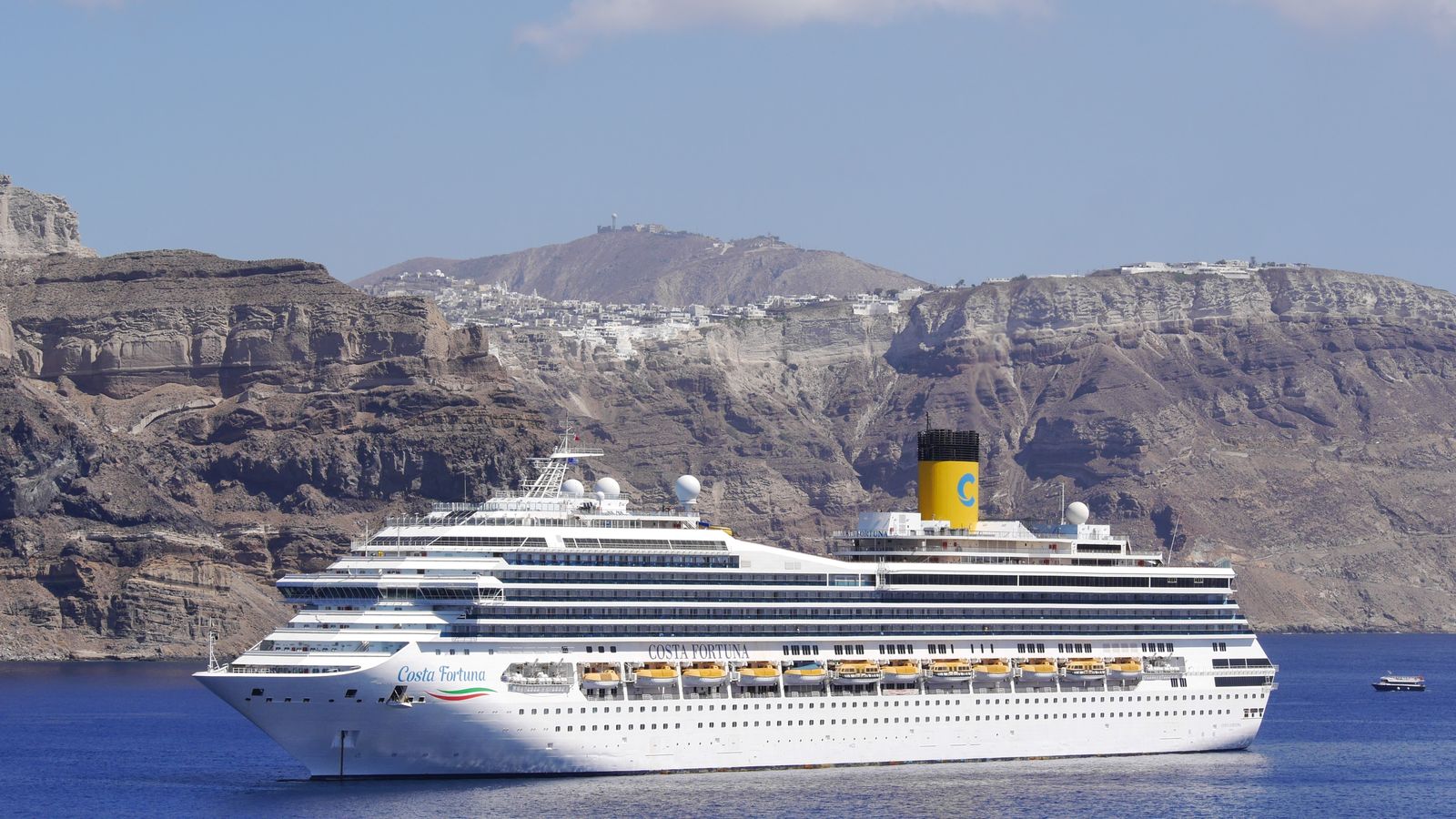
Photo: Serhii Kuznietsov / Pexels
A peak-summer Mediterranean cruise can still be wonderful. It can also turn into an expensive exercise in hiding from the sun.
For 2026 and 2027, I would not treat summer Mediterranean cruising as a simple “go or do not go” decision. I would look at your ports, age mix, walking tolerance, ship size, excursion style, and whether you are trying to see Rome, Florence, Athens, Pompeii, Santorini, or Dubrovnik in peak afternoon heat.
That is where many travelers get this wrong. They compare ships and fares, but they do not compare the actual physical day on shore.
Quick Answer
If you are heat-sensitive, traveling with older adults, managing mobility concerns, or planning a high-budget luxury trip, the best Mediterranean cruise months are usually May, early June, September, and October.
July and August make sense if:
- You are tied to school calendars or otherwise cannot travel during the shoulder season.
- You want swimming, warm evenings, and long days.
- You can afford private or small-group touring.
- You are comfortable starting early and resting during the hottest part of the day.
- You choose a ship with strong air conditioning, shaded outdoor areas, and enough sea day recovery.
I recommend you avoid July and August if your dream trip depends on long walking tours through Rome, Florence, Athens, Pompeii, Ephesus, or old-town hill villages every day.
Why Mediterranean Heat Is Now a Planning Issue
Summer heat in the Mediterranean is not new. What has changed is how often travelers are building expensive, port-intensive trips around cities that are uncomfortable during the hottest hours of the day.
In 2026, record heat across Spain, Italy, and Greece was making shore excursions harder and potentially riskier, with Barcelona reaching around 104.9 F and parts of Spain rising above 111 F during a heatwave.
The CDC’s heat guidance recommends shade, breaks, and outdoor activity during cooler parts of the day when heat risk is high. The WHO heat and health fact sheet identifies older adults, people with chronic conditions, infants, children, outdoor workers, and travelers without enough cooling as higher-risk groups.
For cruise planning, that matters because a ship gives you air conditioning at night, but it does not make the Colosseum cooler at 1:30 PM.
The Real Problem Is Not the Ship
On the ship, summer can be easy.
You have air conditioning, cold drinks, shaded lounges, pool decks, spa spaces, and a cabin where you can retreat. A modern luxury or premium ship can feel comfortable even during a heatwave.
The problem is the port day.
Your Mediterranean cruise probably includes Rome, Florence, Naples, Santorini, Athens, Ephesus, Dubrovnik or Barcelona. It sounds efficient. But in July and August, those ports can mean:
- 90 to 120 minutes each way from port to major city.
- Exposed archaeological sites with little shade.
- Stairs, cobblestones, slopes, and tender boats.
- Crowds moving slowly through narrow streets.
- Afternoon return drives when everyone is tired.
- Less patience for delays, missed meeting points, and long restroom lines.
Luxury travelers are especially vulnerable to disappointment here because most assume the higher fare solves the hard parts. It does not automatically.
Regent, Silversea, Seabourn, Explora, Oceania, Viking, and Celebrity Retreat can make the ship experience smoother. They cannot change the fact that Pompeii, the Acropolis, and the Roman Forum are exposed historic sites in southern European summer.
Mediterranean Cruise Heat Strategy by Traveler Type
| Traveler type | My summer advice | Better timing |
|---|---|---|
| Couples 55+ | Avoid July and August unless the itinerary is relaxed and you add private touring before the crowds. | May, early June, September, October |
| Multigenerational families | Summer may be necessary, but build in rest and choose the ship carefully. | Late June or late August if school calendars allow |
| Honeymooners | Do not overpack ports. Heat plus crowds kills romance quickly. | May, September, early October |
| Food and wine travelers | Summer is workable, but harvest season is usually more rewarding. | September and October |
| Beach-focused travelers | July and August can work well if you prioritize the beach over ruins. | July, August, early September |
| Mobility-conscious travelers | Be very cautious with tender ports, old towns, and long transfers. | April, May, September, October |
| First-time Europe cruisers | Choose a slower route with fewer must-see inland days. | May, June, September |
My strongest advice: do not book a July or August Mediterranean cruise just because the ship is beautiful. Book it because the day-by-day itinerary still works in heat.
Ports Where Heat Changes the Trip
Some ports handle summer better than others. The issue is not only temperature. It is shade, transfer time, crowds, tendering, and whether the main sight is exposed.
Rome from Civitavecchia
Rome is a long day from the port. Expect roughly 1.5 to 2 hours each way depending on traffic, tour structure, and where the ship docks.
In July or August, I would not try to do Vatican Museums, Colosseum, Roman Forum, Trevi Fountain, Spanish Steps, and a long lunch in one cruise day. You will need to prioritize.
Better summer strategy:
- Choose a private driver or very well-structured small group.
- Start early in the morning.
- Prioritize indoor or partly shaded sites during midday.
- Plan a seated lunch in air conditioning.
- Do not book the most aggressive “Rome in a day” excursion if anyone in your party is heat-sensitive.
For my clients, I recommend adding Rome hotel nights before or after the cruise. A cruise day is a hard way to meet Rome for the first time.
Florence from Livorno or La Spezia
Florence is another long-transfer day. It is beautiful, but July heat turns stone streets and museum lines into a grind.
If Florence is the reason you are going to Italy, consider a land extension. If it is one cruise stop, choose one major focus: Uffizi, Accademia, Duomo area, or a food-focused walking route.
Do not try to turn one hot cruise day into a full Tuscany vacation.
Naples, Pompeii, Capri, and the Amalfi Coast
Naples gives you excellent choices, but summer forces tradeoffs.
Pompeii is extraordinary and exposed. Go early. The stones hold heat, shade is limited, and the site is much more enjoyable before the day peaks.
Capri and the Amalfi Coast are scenic but crowded in summer. Ferries, roads, and tender logistics can turn fragile when everyone wants the same photo at the same time.
My preferred summer Naples strategy:
- Early Pompeii plus lunch, then back to ship.
- Private Amalfi Coast driver with a realistic route, not every village.
- Capri only if timing and ferry risk are acceptable.
- Naples food and archaeology day if you want less transfer stress.
Athens and the Acropolis
Athens is one of the ports where heat changes the entire plan. The Acropolis is exposed, uphill, and crowded. It is not a casual midday stroll in August.
Book the earliest possible visit or choose a panoramic city tour with the Acropolis Museum and a shorter outdoor component. If someone in your group has balance issues, respiratory concerns, heart concerns, or limited stamina, read the excursion description very carefully.
Santorini and Mykonos
The Greek islands are not just a heat problem. They are a crowd-flow problem.
Santorini often involves tendering, cable car waits, steep paths, and narrow streets. Mykonos can be easier if you structure it around beach time or a controlled private tour, but old-town wandering in peak afternoon sun still wears people down.
For Santorini in summer, I want to know:
- How many ships are in port?
- Is tender priority included?
- Does the excursion avoid peak crowd times?
- Is everyone comfortable with steps, queues, and waiting?
- Is this port essential, or would a different Greek itinerary feel better?
Dubrovnik and Kotor
Dubrovnik is magnificent, but the old town can feel compressed in summer. The city walls are especially exposed. I would do walls early or skip them and focus on a private guided, shaded route, or coastal experience.
Barcelona
Barcelona is a strong embarkation or disembarkation city because it gives you hotel flexibility. But if you are seeing it as a single port stop in a heatwave, pre-book timed entries and avoid a vague “we will just wander” plan.
Sagrada Familia, Park Guell, and Gothic Quarter touring all need timing. Midday Las Ramblas in summer is not my idea of a luxury experience.
The Better Way to Plan a Summer Mediterranean Cruise
1. Count the Hard Days
Before choosing the ship, mark each port as easy, moderate, or hard.
Hard days usually include:
- Long transfers from port to city.
- Major archaeological sites.
- Tender ports.
- Hill towns or cliff towns.
- Old cities with stone streets and limited shade.
- Full-day excursions with little downtime.
2. Protect the Morning
In July and August, morning is the premium product.
Book early excursions. Use private touring where possible. Get off the ship as soon as practical. Save museums, lunch, shopping, or ship time for the hottest hours.
This is one reason I like luxury and small-ship products for the right client. Better excursion coordination, smaller groups, and easier ship flow matter more than the champagne brand when the port day is hot.
3. Stop Treating Every Port Like a Checklist
You do not need to “maximize” every day.
In summer, the smarter plan may be:
- One marquee site.
- One good meal.
- One shaded or air-conditioned break.
- Back to the ship before everyone is overheated and irritated.
That can feel like less on paper and more like a vacation in real life.
4. Choose Private Tours Selectively
Private touring is excellent for the Summer.
I would consider private or semi-private touring in:
- Rome from Civitavecchia
- Florence from Livorno or La Spezia
- Amalfi Coast from Naples or Sorrento
- Athens if mobility or pacing matters
- Santorini if crowd timing matters
- Dubrovnik if you want a quieter route
The value is not just exclusivity. It is pace control. You can stop, shorten, reroute, or cool down without waiting for 38 other passengers to reassemble.
5. Pick the Ship for Recovery
For summer Mediterranean cruises, I care about:
- Strong air conditioning.
- Shaded outdoor seating.
- Enough indoor lounges.
- A cabin location that makes midday returns easy.
- Good room service or casual dining if you do not want another long meal out.
- Spa, thermal, or quiet spaces if you need a reset.
- Fewer tender bottlenecks where possible.
On a shoulder-season cruise, I may prioritize itinerary first and ship second. In August, the ship becomes part of your heat-management plan.
Luxury Cruise Line Considerations in Summer Heat
Regent Seven Seas
Regent can work well if you want included excursions and fewer onboard decisions. The watchout is that included excursions still need careful selection. A long included walking tour in Rome during a heatwave is not automatically a good value just because it is bundled.
Best summer fit: clients who want an easy structure, spacious suites, included touring, and the option to upgrade selectively to private or smaller excursions.
Silversea
Silversea can be excellent for food, wine, and destination depth. In summer, I would pay close attention to the itinerary and excursion credits or inclusions. Choose experiences that match the weather, not just the destination name.
Best summer fit: travelers who want a refined, quieter ship and are willing to be selective about shore days.
Seabourn
Seabourn’s relaxed small-ship feel is a strong summer match if you value service, calm, and fewer onboard crowds. Because excursions are not as broadly bundled as Regent, you should budget intentionally for the shore experience.
Best summer fit: couples and milestone travelers who want the ship to feel like a retreat after busy ports.
Oceania
Oceania is a great smart premium choice for food-focused travelers who want better value and a calmer atmosphere. In summer, compare the total cost once you add the shore experiences you actually need.
Best summer fit: travelers who would rather put more budget toward private port days and pre/post hotels than maximum onboard inclusions.
Viking Ocean
Viking is adults-only, calm, and culturally focused. That can be attractive in summer if you want a quieter ship and a structured product. It is not the same luxury category as Regent, Silversea, or Seabourn, but it fits travelers who want order and predictability.
Best summer fit: adults who want a calmer ship and do not need a more indulgent luxury environment.
When to Move Away from the Mediterranean
If your only available travel window is July or August, the Mediterranean is not your only Europe cruise option.
Consider a cooler route if:
- You are traveling with older adults who tire in heat.
- You want long walking days.
- You care more about scenery than swimming.
- You dislike crowds.
- You want a luxury experience that feels calm, not crowded.
- Your budget is high enough that you do not want to compromise comfort.
Good alternatives:
- Norway cruises for fjords, long daylight, and cooler scenery.
- British Isles cruises for Scotland, Ireland, England, and port-heavy cultural touring.
- Iceland and Norway combinations for dramatic landscapes and cooler temperatures.
- Baltic or Northern Europe itineraries where available.
- A spring or fall Mediterranean cruise with land extensions instead of a peak-summer sailing.
My advisor take: if you are comparing an August Italy and Greece cruise against a July Norway or British Isles itinerary, and you are not beach-focused, I would give Northern Europe a serious look.
For the next decision, compare whether you want fjords, volcanic landscapes, or culture-heavy port days before choosing a cooler-weather Europe itinerary.
Best Months for Mediterranean Cruises by Goal
| Goal | Best months | Why |
|---|---|---|
| Best overall balance | May, early June, September, October | Better sightseeing weather and fewer family crowds |
| Beach clubs and swimming | July, August, early September | Warmest water and strongest summer energy |
| Food and wine | September, October | Harvest season, warm evenings, better cultural pacing |
| Luxury sightseeing | May, September, October | Better fit for private guides, old towns, and long walks |
| Families with school calendars | Late June, July, late August | Practical timing, but plan around heat |
| Seniors and mobility-conscious travelers | April, May, late September, October | More forgiving walking weather |
| Best value | April, October, some November sailings | Softer pricing, though weather can be less predictable |
Should You Cancel a Summer Mediterranean Cruise Because of Heat?
Usually, no. Not automatically.
But you should adjust the plan.
If you are already booked for July or August:
- Review every excursion for walking level, shade, transfer time, and start time.
- Replace long group walking tours with private or small-group options where the port is difficult.
- Build one lighter day after every two intense days.
- Reserve restaurants or lunch stops instead of assuming you will find something.
- Bring cooling towels, electrolyte packets, sun hats, and shoes that can handle heat and stone streets.
- Avoid alcohol-heavy lunches before more walking.
- Know when to skip a port and enjoy the ship.
My Recommendation
If you can choose your dates freely, I would book most luxury Mediterranean cruises in May, early June, September, or October.
If you must travel in July or August, I would choose the itinerary differently. Fewer hard inland days. More beach or coastal pacing. Earlier excursions. Better ship recovery. Private touring in the ports that matter. A realistic plan for Rome, Florence, Athens, Pompeii, Santorini, and Dubrovnik.
Summer Mediterranean cruising is not a mistake. Pretending heat will not affect the trip is the mistake.
Related Mediterranean and Europe Cruise Guides
- Cruises to Italy for route, port, transfer, and season planning.
- Best Luxury Italy Cruises for Travelers 55+ if comfort, mobility, and food matter.
- Best Greece Cruise for Greek island and Eastern Mediterranean choices.
- Norway Cruise if you want a cooler summer Europe alternative.
Plan a Mediterranean Cruise That Fits the Season
If you are comparing July, August, or shoulder-season Mediterranean cruises, I can help you sort the itinerary, ship, excursions, timing, and real comfort tradeoffs before you put down a deposit.
Schedule a Mediterranean cruise consultationFAQ
Is July too hot for a Mediterranean cruise?
July can be too hot if your itinerary depends on long walking tours in Rome, Florence, Athens, Pompeii, Ephesus, Santorini, or Dubrovnik. It can still work for beach-focused travelers, families tied to school calendars, and clients who use early excursions and private touring.
Is August a bad time for a Mediterranean cruise?
August is usually the hardest Mediterranean cruise month for heat, crowds, and European holiday traffic. I do not automatically rule it out, but I would choose the itinerary and excursions very carefully.
What is the best month for a Mediterranean cruise?
For most travelers, May, early June, September, and October offer the best balance of sightseeing weather, port comfort, crowd level, and value.
Which Mediterranean ports are hardest in summer heat?
Rome from Civitavecchia, Florence from Livorno or La Spezia, Athens, Pompeii, Ephesus, Santorini, Dubrovnik, and some Amalfi Coast days can be difficult because of transfer time, exposed sites, stairs, crowds, and limited shade.
Are luxury Mediterranean cruises better in summer?
Luxury ships can make summer more comfortable onboard, but they do not remove heat, crowds, or port logistics. The advantage is better service, smaller groups, stronger dining, and more ways to recover between hard days.
What is a cooler alternative to a Mediterranean cruise in July or August?
Norway, Iceland, the British Isles, Scotland, Ireland, and some Northern Europe routes are better choices if you want cooler weather, scenery, and long walking days without southern European heat.