Small Ship Cruise Benefits 2026 Nine Reasons to Consider
Small ship cruise benefits explained by service, port access, logistics, excursions, atmosphere, destination depth, and traveler fit.
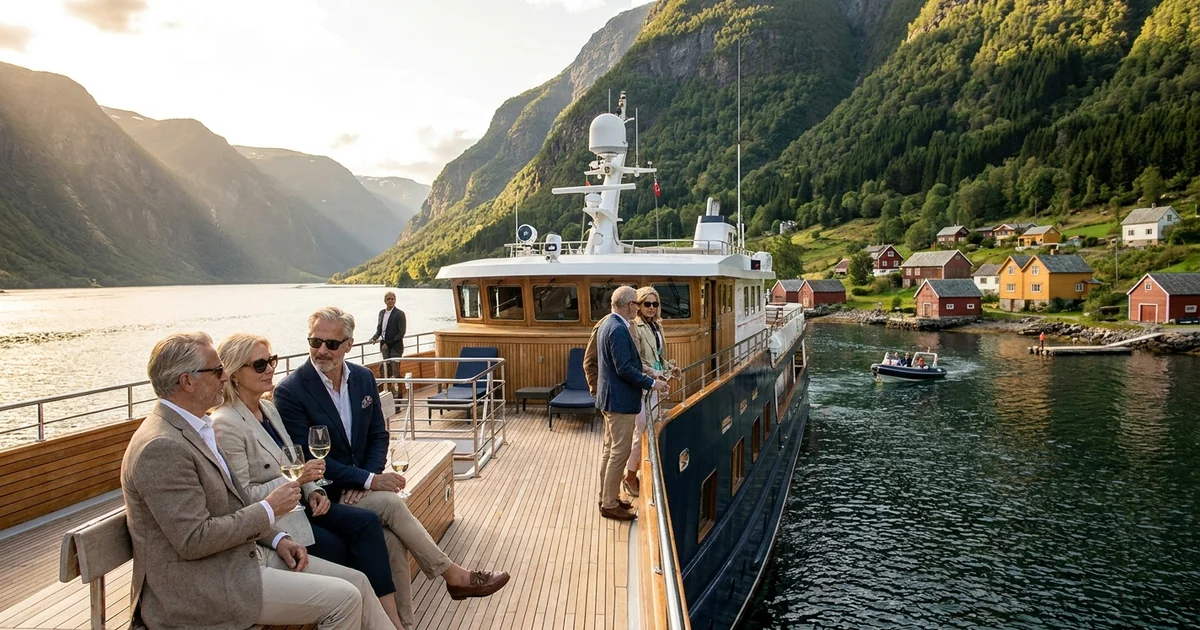
If you have ever looked at a massive cruise ship and thought, this is not quite my style, you are not alone. Many travelers start researching small ship cruise benefits after realizing they want the ease of cruising without the scale, crowds, and rigid feeling that can come with a larger vessel.
For the right traveler, a small ship cruise can feel less like being processed through a floating resort and more like being thoughtfully hosted while moving through extraordinary places. That difference matters, especially when the trip is a celebration, a multigenerational vacation, or simply time you do not want to spend managing logistics.
Quick Answer Biggest Small Ship Cruise Benefits
| Benefit | Why it matters | Best for |
|---|---|---|
| Fewer guests | Less crowding, calmer dining, easier movement | Couples, seniors, and milestone trips |
| Better port access | Smaller harbors and closer docking can improve the itinerary | Destination-focused travelers |
| More personal service | Crew can respond with more attention and consistency | Luxury travelers |
| Smoother logistics | Embarkation, touring, and disembarkation often feel easier | Groups and mobility-conscious travelers |
| More destination depth | Excursions can feel more local and less mass-market | Curious, experience-driven travelers |
Why small ship cruise benefits stand out
The biggest advantage of a small ship is not just the ship itself. It is how the entire travel experience changes when fewer guests are on board.
On a smaller vessel, boarding is typically calmer, public spaces feel more civilized, and staff often learn your preferences quickly. You are less likely to spend your vacation waiting in long lines for tenders, restaurants, or disembarkation. That alone can shift the tone of a trip from busy to restorative.
There is also a very practical side to this. Smaller ships can often access ports that larger ships cannot, which opens up itineraries with more character and less congestion. Instead of docking alongside several other large vessels in a crowded port, you may arrive somewhere that feels quieter, more local, and more memorable.
For travelers who value comfort, service, and meaningful experiences over sheer onboard volume, that trade-off is often well worth it. You may have fewer mega-ship attractions, but you gain a more intentional journey.
A more personal style of service
One of the most appreciated small ship cruise benefits is the level of personal attention. On many small ships, the crew-to-guest ratio supports a service style that feels observant rather than transactional.
Your favorite morning coffee order may be remembered by the second day. Dining staff may notice your preferences without needing to be reminded. If you are traveling for a honeymoon, anniversary, vow renewal, or milestone birthday, that attentiveness can make the trip feel genuinely special instead of standardized.
This is particularly valuable for travelers who do not want to spend their vacation sorting out details. When a team has the bandwidth to respond well, the entire trip feels easier. That matters for seniors who want a smoother experience, for couples who want calm and privacy, and for family groups balancing different needs.
Of course, service levels vary by cruise line, and small does not automatically mean luxurious. Some expedition-focused vessels prioritize destination access over polished onboard indulgence. The key is matching the ship to your travel style rather than assuming every small ship delivers the same experience.
Better access to distinctive ports
This is where small ship cruising becomes especially compelling. Many of the most interesting coastal and river destinations simply are not designed for giant vessels.
A small ship may take you closer to historic town centers, smaller islands, scenic inlets, or ports with stricter size limitations. That can dramatically improve the quality of your itinerary. Less time spent transferring from industrial docks often means more time enjoying the actual destination.
For travelers who care deeply about where they are going, not just what is on the ship, this is one of the strongest reasons to choose a smaller vessel. In places like Alaska, the Mediterranean, Northern Europe, or certain tropical island routes, ship size can shape the entire texture of the trip.
There is a trade-off here as well. Smaller ships may offer fewer sailings and more limited cabin inventory, so planning ahead matters. If you have specific travel dates, preferred suite categories, or celebration plans, waiting too long can narrow your options quickly.
A calmer onboard atmosphere
Not everyone wants a cruise filled with loud pool decks, packed buffets, and nonstop announcements. Many travelers are looking for a more relaxed environment where conversation is possible, views are easy to enjoy, and the ship itself does not compete with the destination.
That is another of the major small ship cruise benefits. The atmosphere is often quieter, more refined, and less overwhelming. Public spaces tend to feel intimate rather than crowded. You are more likely to find a comfortable place to read, enjoy a glass of wine, or watch the coastline without feeling like you need to claim space early.
This can be especially appealing for couples, mature travelers, and families who want quality time together without the sensory overload that often comes with larger ships. It is also a strong fit for travelers who see the cruise as a way to experience a region in comfort, not as an onboard theme park.
That said, if your ideal vacation includes endless nightlife, water slides, casinos, and constant entertainment options, a small ship may feel too quiet. The right choice depends on what kind of energy you want your trip to have.
Easier embarkation, disembarkation, and touring
Cruise marketing often focuses on glamorous imagery, but experienced travelers know that logistics can shape a trip just as much as scenery does. This is where smaller ships often perform exceptionally well.
With fewer passengers to move, embarkation and disembarkation are usually more efficient. Excursion groups may be smaller and easier to manage. Transfers can feel more organized and less rushed. If you are visiting multiple ports on one itinerary, those smoother transitions add up quickly.
For seniors or travelers with limited patience for crowds, this can be a deciding factor. For family trip planners, it can reduce stress in very practical ways. And for anyone investing in a premium vacation, it simply feels more aligned with the level of ease they expected.
This is also why small ship cruises work well when paired with thoughtful pre- and post-cruise arrangements. A well-planned hotel stay, private transfer, or tailored land extension can turn a good cruise into a very well-managed travel experience.
More immersive destination experiences
Small ship cruising often appeals to travelers who want to feel connected to the places they visit, not just checked into them for a few hours.
Because itineraries can be more flexible and ports more distinctive, shore experiences often feel richer. You may have access to smaller group excursions, culturally focused touring, nature-based outings, or local experiences that would be harder to coordinate with thousands of guests arriving at once.
In some regions, especially expedition-style cruising, the ship itself is designed around destination immersion. Expert guides, naturalists, lecturers, and curated excursions can add real depth. In those cases, the ship is not the headline. It is the platform that makes the destination more accessible and more meaningful.
This tends to resonate with travelers who want more than a pretty view. If your vacation goals include learning, celebrating, reconnecting, or seeing a place in a more thoughtful way, a smaller ship often supports that better than a large-scale cruise model.
A stronger fit for milestone travel
Not every trip needs white-glove planning, but milestone trips usually benefit from it. Anniversaries, retirement celebrations, honeymoons, family reunions, and vow renewals often call for a setting that feels elevated without becoming complicated.
Small ships are well suited to that balance. They offer a polished, intimate environment with enough structure to keep the trip easy and enough character to make it feel distinct. For multigenerational groups, they can also reduce some common friction points. Getting on and off the ship is easier, shared experiences feel more cohesive, and the overall pace is often more manageable.
This does not mean every family or couple should choose a small ship. If younger children need extensive onboard activities every hour of the day, or if members of the group want wildly different entertainment styles, another option may work better. But for travelers who value quality time, comfort, and a more curated atmosphere, small ships are often an excellent match.
Who benefits most from a small ship cruise?
The travelers who tend to appreciate small ship cruising most are those who care about the overall shape of the experience. They want good service, interesting ports, less friction, and a vacation that feels considered from beginning to end.
That includes couples looking for a more romantic setting, retirees who want comfort without chaos, and families planning meaningful time together. It also includes busy professionals who would rather have the trip matched to their priorities than spend hours comparing deck plans, cabin categories, and transfer details on their own.
At Luxury Vacations Consulting, this is often where thoughtful guidance makes the biggest difference. Small ship cruises are not one-size-fits-all. The right choice depends on destination, mobility, travel style, celebration goals, and how much you want included both on board and on land.
A smaller ship does not automatically make a cruise better. It makes it different - often in ways that feel more personal, more relaxed, and more destination-focused. If those are the qualities you want from your next trip, it may be exactly the right place to start.
The best cruise is not the one with the most decks or the loudest amenities. It is the one that lets you enjoy the journey with confidence, comfort, and the sense that every detail fits the reason you traveled in the first place.
Book your Small Ship Cruise With Us
Schedule your complimentary consultation below and let’s build your Small ship Cruise together.
Related Small Ship and River Cruise Guides
- River and small ship cruises for the main comparison between ship styles.
- River cruise vs ocean cruise if you are weighing inland cruising against larger ocean ships.
- Luxury travel for seniors if comfort, pacing, and medical access are priorities.
- Best European river cruises for seniors with limited mobility for easier inland cruise options.
- River cruises for singles over 50 if you want a more social trip.
- Small ship cruise for couples if you want a quieter, more intimate sailing.
- River cruise for families if your trip includes multiple generations.
- Viking vs Emerald cruises if you are comparing small-feel river cruise brands.
Frequently Asked Questions
What is the biggest benefit of a small ship cruise?
The biggest benefit is access. Smaller ships can visit ports, coves, fjords, islands, and expedition regions that large ships cannot reach, usually with fewer crowds and a more personal onboard feel.
Are small ship cruises worth the higher price?
They can be worth it if you value destination access, quieter ships, better service ratios, and more curated excursions. They are less compelling if you mainly want big entertainment, water parks, or the lowest possible fare.
Will I feel more motion on a small ship cruise?
Often, yes. Small ocean ships can feel more motion than river ships or very large vessels, especially in open water. Route, season, cabin location, and weather all matter.