Best Time to Plan African Safari Trips
Discover the best time to plan African safari trips, from ideal booking windows to seasonal wildlife patterns, weather, and luxury lodge demand.
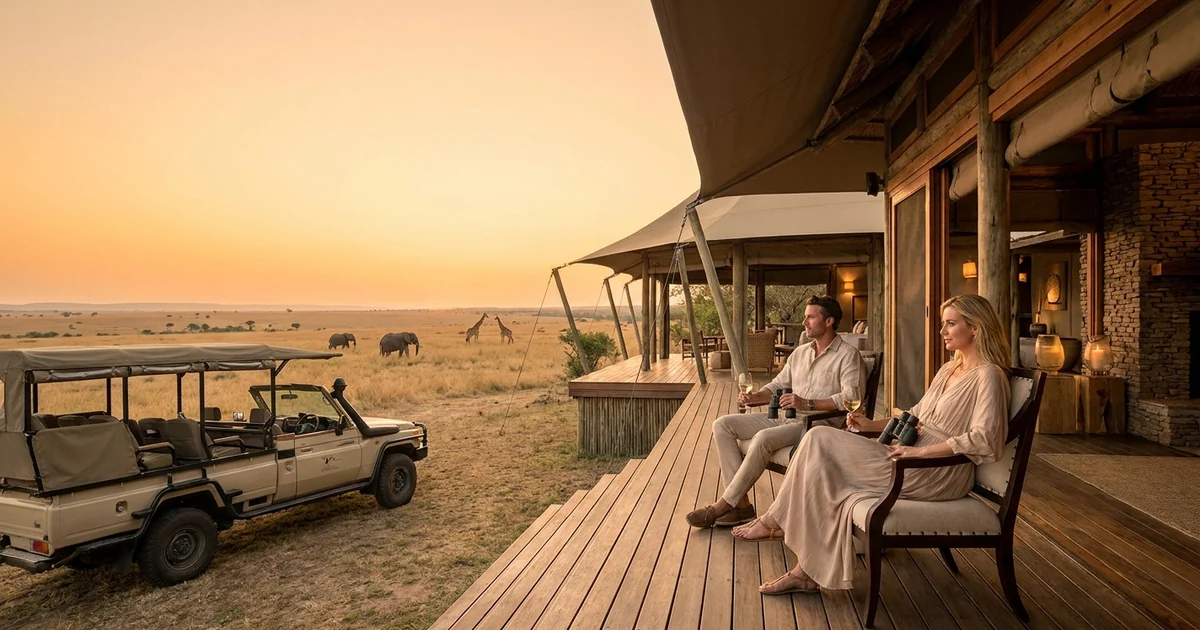
If you’re hoping to see the Great Migration from a prime camp, secure a private guide for your family, or reserve one of the smaller luxury lodges that make a safari feel personal, timing matters earlier than many travelers expect. The best time to plan African safari travel is usually well before you want to leave, because the right safari is shaped as much by booking strategy as by season.
Safari timing has two layers. The first is when to travel. The second, just as important, is when to start planning. Many travelers focus only on weather or wildlife, but premium safari experiences are built around limited inventory, regional seasonality, and logistics that need to line up cleanly - flights, bush transfers, camps, guides, and sometimes multiple countries in one itinerary.
The best time to plan African safari travel
For most luxury safari trips, planning 9 to 15 months ahead is the safest window. That is especially true if you want top camps, peak wildlife periods, family suites, or holiday travel dates. If your trip is tied to a milestone birthday, anniversary, honeymoon, or multigenerational schedule, it often makes sense to begin even earlier.
That timeline may sound generous, but safari availability can disappear quickly. Unlike large resorts, many safari camps are intentionally small. Some have only a handful of tents or suites. If you need two or three rooms together, specific bedding arrangements, or easy access for senior travelers, your options narrow faster.
If you are flexible on region, travel dates, and lodge style, you can sometimes plan a strong safari within 6 to 9 months. Last-minute safari planning is possible, but it usually requires compromise - fewer camp choices, less favorable flight routings, or missing the exact wildlife moment you had in mind.
Why the booking window matters as much as the travel season
For a Chobe River cruise and safari, I would choose dates around the whole route, including any time in Victoria Falls, Kenya or Namibia. The month you choose needs to work for the land portion as well as your nights aboard.
A safari is not one product. Kenya, Tanzania, Botswana, South Africa, Zambia, Zimbabwe, Namibia, and Rwanda all operate on different seasonal rhythms. Within each country, parks can also vary. One month might be perfect for the Masai Mara and only fair for another region. That is why the best time to plan African safari itineraries depends on what kind of experience you want, not just a general idea of going “sometime next summer.”
Dry season often gets the most attention because wildlife is easier to spot when vegetation is thinner and animals gather around water sources. That usually means higher rates and heavier demand. Green season can offer beautiful landscapes, fewer vehicles, lower pricing in some areas, and excellent birding, but game viewing may be less predictable depending on the destination.
For many travelers, the right answer is not peak season by default. It is the season that matches their priorities. A honeymoon couple may care most about romance, privacy, and exceptional lodges. A family may want school-break dates, shorter transfers, and malaria-aware planning. Photographers may prefer specific light, newborn animal activity, or dramatic storm skies. Travelers celebrating a major life event often want the very best camp in the right place at the right time, which usually means planning early and with precision.
When to start planning based on your safari goals
For the Great Migration
If seeing the Great Migration is your priority, start planning 12 to 15 months in advance, and sometimes earlier for the most sought-after camps. This is one of the most requested safari experiences, and availability around key migration periods can go quickly.
What many travelers do not realize is that the Migration moves. There is no single fixed date or single best month every year. Rainfall patterns influence where the herds are, so the planning process involves matching likely wildlife movement with the style of experience you want. If river crossings are your dream, that requires a different strategy than calving season in the southern Serengeti.
For first-time safari travelers
If this is your first safari, 9 to 12 months is a smart planning range. It gives you time to compare regions thoughtfully, decide whether you want one country or several, and build in the right pacing. First-time travelers often underestimate transfer times and overestimate how much ground they should cover.
A well-designed first safari usually feels spacious rather than rushed. More destinations are not always better. Sometimes two carefully chosen camps create a stronger experience than four quick stops.
For families and multigenerational groups
Families should ideally begin 12 months ahead, especially for summer, winter holidays, and school breaks. Multigenerational safari travel has more moving parts - room configurations, age restrictions, walking limitations, private vehicle needs, and balancing activity levels.
Some camps welcome children of all ages, while others are better suited to older teens. Some are ideal for grandparents thanks to easier access and fewer internal stairs. The earlier planning starts, the more options you have to create something that feels comfortable and celebratory for everyone.
For couples, anniversaries, and honeymoons
Couples can sometimes work within a slightly shorter window if dates are flexible, but 9 to 12 months is still ideal for premium options. Milestone travel tends to come with high expectations. The room matters. The view matters. The timing of every transfer matters. When a trip carries emotional weight, last-minute decision-making is rarely the best route.
Best travel seasons by safari style
Dry season for classic game viewing
In many safari destinations, dry season is the classic choice for wildlife viewing. Conditions are often easier for spotting animals, roads are more accessible, and game drives can be very rewarding. This is often the best fit for travelers who want that iconic first safari experience with strong chances of seeing a wide range of wildlife.
The trade-off is that this is also when prices are often highest and camps most in demand. If you want dry season in a premium property, planning early is not optional - it is practical.
Green season for value, scenery, and a softer pace
Green season can be an excellent option for travelers who value beautiful landscapes, fewer crowds, and, in some destinations, better pricing. The scenery is lush, the light can be stunning, and birdlife is often outstanding.
This season is not ideal for every goal. Wildlife can be more dispersed, and afternoon rain may shape daily schedules. But for travelers who care as much about atmosphere as checklist sightings, green season can feel more intimate and less pressured.
Shoulder season for balance
Shoulder season often delivers the best balance of comfort, value, and strong game viewing. This can be an especially appealing option for travelers who want excellent experiences without the busiest peak periods.
This is where thoughtful planning really pays off. Shoulder season is less about a single rule and more about choosing the right region at the right moment. Done well, it can offer exceptional value without feeling like a compromise.
Factors that should shape your timing decision
Weather matters, but it should not make the decision on its own. Some travelers are very comfortable with heat if game viewing is excellent. Others prefer milder temperatures, even if that means adjusting destination choice. The same goes for internal flights, road transfers, altitude, and pace.
Health and mobility also matter. If you are planning for senior travelers or anyone who prefers easier logistics, the best safari timing may be the one that reduces long travel days, limits rough road segments, and allows for camps with smoother access. That kind of detail is easy to miss when booking online and very important when comfort is part of the trip’s success.
Budget is another real factor. Peak season can absolutely be worth it, but not every traveler needs the highest-priced week to have an extraordinary safari. Sometimes shifting by a few weeks or choosing a less obvious region creates a better overall experience for the investment.
Common timing mistakes to avoid
The most common mistake is waiting too long to inquire because the trip feels far away. With safaris, the best properties and best guide availability often go to travelers who planned early.
Another mistake is choosing dates first and destination second. If your travel window is fixed, that can be managed, but the itinerary should still be built around where conditions are strongest during those dates. Trying to force a dream destination into the wrong season can lead to disappointment.
The third mistake is assuming all safaris are interchangeable. They are not. The right fit depends on your priorities, energy level, travel style, and how much complexity you want handled for you. That is where a service-led planning approach can make the difference between a trip that is simply good and one that feels beautifully thought through.
At Luxury Vacations Consulting LLC, safari planning is approached with that level of care because the details behind a great trip are rarely small.
The best time to start is before your dates feel urgent, while the right camps, routing, and seasonal options are still open to you. When a safari is planned with enough lead time, it becomes less about chasing availability and more about creating the experience you actually wanted in the first place.