Multigenerational Travel Trends 2026: What Families Should Know
The biggest multigenerational travel trends for 2026 are personalized pacing, easier logistics, better room setups, and milestone trips planned around each generation.
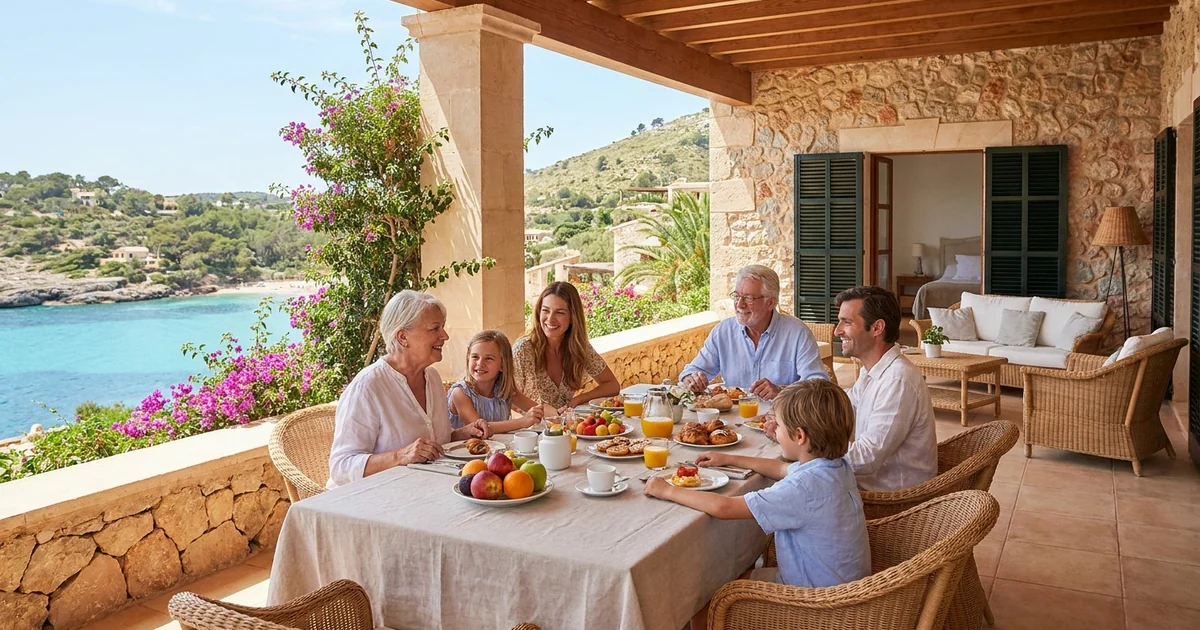
Three generations, one group text, and six opinions about what counts as a vacation. That is where many family trips start.
The most important multigenerational travel trends for 2026 are less about one hot destination and more about trip design. Families want to travel together, but they do not want every person forced into the same pace, room setup, budget assumption, or definition of fun.
Quick answer: the biggest multigenerational travel trends for 2026
For 2026, the strongest multigenerational travel trends are:
- More personalized itineraries instead of one schedule for everyone
- Greater focus on comfort, transfers, pacing, and room layout
- More demand for suites, villas, residences, and better connecting-room options
- Experience-led trips tied to anniversaries, retirements, birthdays, graduations, and reunions
- Continued interest in cruises, safari, Alaska, Europe, and villa-based stays
- Earlier planning for peak dates and high-demand room categories
- More reliance on professional planning support, especially when one family member is coordinating for everyone
If you are planning a family trip, the practical takeaway is simple: start with how your family actually travels, then choose the destination. The postcard should not lead the planning. The people should. For the operational side of those decisions, use our group travel planning guide to map out rooms, budgets, deadlines, and logistics.
1. Shared travel is replacing one-size-fits-all travel
The biggest shift is personalization. Grandparents may want comfort, easy transfers, and a slower pace. Adult children may care about privacy, dining quality, and whether the trip feels worth the investment. Younger travelers usually need movement, flexibility, and something more memorable than another pool day.
That does not mean the family has to split up all day. It means the itinerary should include planned togetherness and planned breathing room.
I look for a trip with a few experiences everyone can share, plus optional layers around them: a private guide, a spa afternoon, a kids’ activity, a food experience, or an easier return to the hotel for anyone who needs downtime.
This is especially important for premium cruises, family safari itineraries, villa stays, and milestone trips. These formats can keep the family connected without making every generation travel the same way.
2. Comfort is now part of the destination decision
Families are becoming less tolerant of friction. That means nonstop or simplified air routes, fewer hotel changes, private transfers, connecting accommodations, and properties that can handle different mobility levels and sleep schedules.
This does not mean families are choosing less ambitious trips. They may still choose Italy, Alaska, an African safari, or a European river cruise. They are just asking better questions before they commit.
How long is the airport transfer? How many times will we unpack? Can grandparents avoid unnecessary stairs? Are the rooms actually near each other? Is there a reasonable option if someone skips an excursion?
Those details are not small for a multigenerational group. They are often the difference between a trip that feels polished and a trip that feels like project management in another time zone.
If the trip includes older travelers, the same principles used in luxury travel for seniors usually improve the experience for everyone.
3. Space and layout matter more than room category names
Standard hotel rooms rarely work well for three generations, even at luxury properties. In 2026, suites, villas, residences, and stronger ship suite categories continue to stand out because they support both privacy and connection.
The key is layout, not just square footage. A two-bedroom suite with a shared living area may work better than three separate rooms spread across a resort. A villa can be ideal if staffing, transportation, meals, and activities are handled well. Connecting rooms can work beautifully if they are truly confirmed and placed thoughtfully.
For family trips, rooming should be one of the first planning decisions. If the accommodations are wrong, the destination has to work much harder to make up for it.
4. Milestone trips are driving bigger decisions
Many multigenerational trips in 2026 are being planned around a reason: a 50th anniversary, retirement, milestone birthday, graduation, or family reunion. That shared purpose helps narrow the choices.
It also raises the stakes. If a trip is meant to celebrate a major family moment, there is less tolerance for avoidable problems: weak transfer planning, poor room placement, rushed pacing, or activities that ignore the needs of key travelers.
For these trips, I would not start by asking, “Where should we go?” I would start by asking, “What should this trip feel like for the people being celebrated?”
That question changes the planning. A retirement trip may need ease and elegance. A graduation trip may need more activity. A family reunion may need space and flexible dining. An anniversary trip may need one exceptional private experience rather than a crowded sightseeing schedule.
5. Cruises, safari, and villa stays are strong fits when planned carefully
Not every luxury travel format works equally well for multigenerational groups. The strongest options tend to have structure, service, and fewer moving parts.
River and small ship cruises appeal to many families because logistics are centralized. You unpack once, dining is handled, and the group can move between destinations without constant transfers. A river cruise is excellent for adult-focused family travel, while a small ship expedition, Alaska sailing, or private touring itinerary is better for families with a wider age range.
If children are part of the group, look closely at the itinerary, ship style, and age fit. There are luxury cruises for families available, they are just less advertised.
Safari travel is also strong for milestones, but it needs careful design. Camp selection, internal flights, drive times, age requirements, and downtime are all important when you’re flying so far away.
6. Families need to plan earlier than they expect
The practical planning trend is timing. Families are starting earlier, especially for holidays, school breaks, milestone celebrations, Alaska, safari, villas, and luxury cruise itineraries.
There are two reasons. First, the best inventory goes early: suites, villas, connecting rooms, family-friendly ship categories, and well-located accommodations. Second, family decision-making takes time. Several households may need to agree on budget, flights, rooming, pace, and who is paying for what.
Last-minute planning is still possible, but it narrows the field. If the trip is special, early planning gives you more control over the details that make it feel easy.
7. The family organizer needs real support
Behind most multigenerational trips, one person is quietly doing the heavy lifting. It may be a daughter coordinating for her parents and children, a grandparent hosting the trip, or a sibling trying to keep everyone aligned.
That person usually does not need another booking site. They need a planning partner who can sort through the trade-offs, keep the trip realistic, and coordinate the details nobody wants to troubleshoot on vacation.
That includes rooming, pacing, dining, excursion fit, special requests, and private transfers.
What this means for your family
If you are planning a multigenerational trip in 2026, do not begin with a list of destinations. Begin with the people.
Ask:
- Who needs daily downtime?
- Who needs the easiest travel day?
- Who wants adventure, and who wants comfort?
- Does the group need a villa, suites, connecting rooms, or separate spaces?
- Is the trip about relaxation, celebration, exploration, or reconnection?
- Which parts should everyone do together, and which parts should be optional?
If 2026 is your year to bring the family together, start with the people, not the postcard. The destination can follow once the experience is designed around how your family actually travels.
FAQ
What are the biggest multigenerational travel trends for 2026?
The biggest trends are personalized pacing, better room layouts, smoother transfers, milestone-focused trips, earlier planning, and more demand for cruises, safaris, villas, Alaska, and Europe trips that work across several generations.
What type of trip works best for a multigenerational family?
The best fit depends on the ages, mobility, budget, and travel style of the group. Cruises, villas, luxury resorts, Alaska, and safari itineraries can all work well when the pacing, rooming, transfers, and activity levels are planned carefully.
How far ahead should families plan a multigenerational trip in 2026?
For holidays, school breaks, Alaska, safari, villas, and luxury cruises, families should plan as early as possible. The best suites, connecting rooms, villas, and family-friendly premium inventory usually go first.
Why do multigenerational trips need more planning than regular vacations?
These trips involve several households, different budgets, mobility needs, rooming preferences, dining expectations, and activity levels. The planning has to account for the people first, not just the destination.
How can Luxury Vacations Consulting help with multigenerational travel?
Yes, we help families compare the right destinations, cruises, villas, resorts, safari options, room layouts, transfers, and pacing so the trip feels coordinated instead of pieced together.