Norway vs Iceland vs British Isles Cruise: Which Cool-Weather Europe Trip Fits You?
Compare Norway, Iceland, and British Isles cruises by scenery, weather, ports, mobility, luxury fit, season, and traveler type.
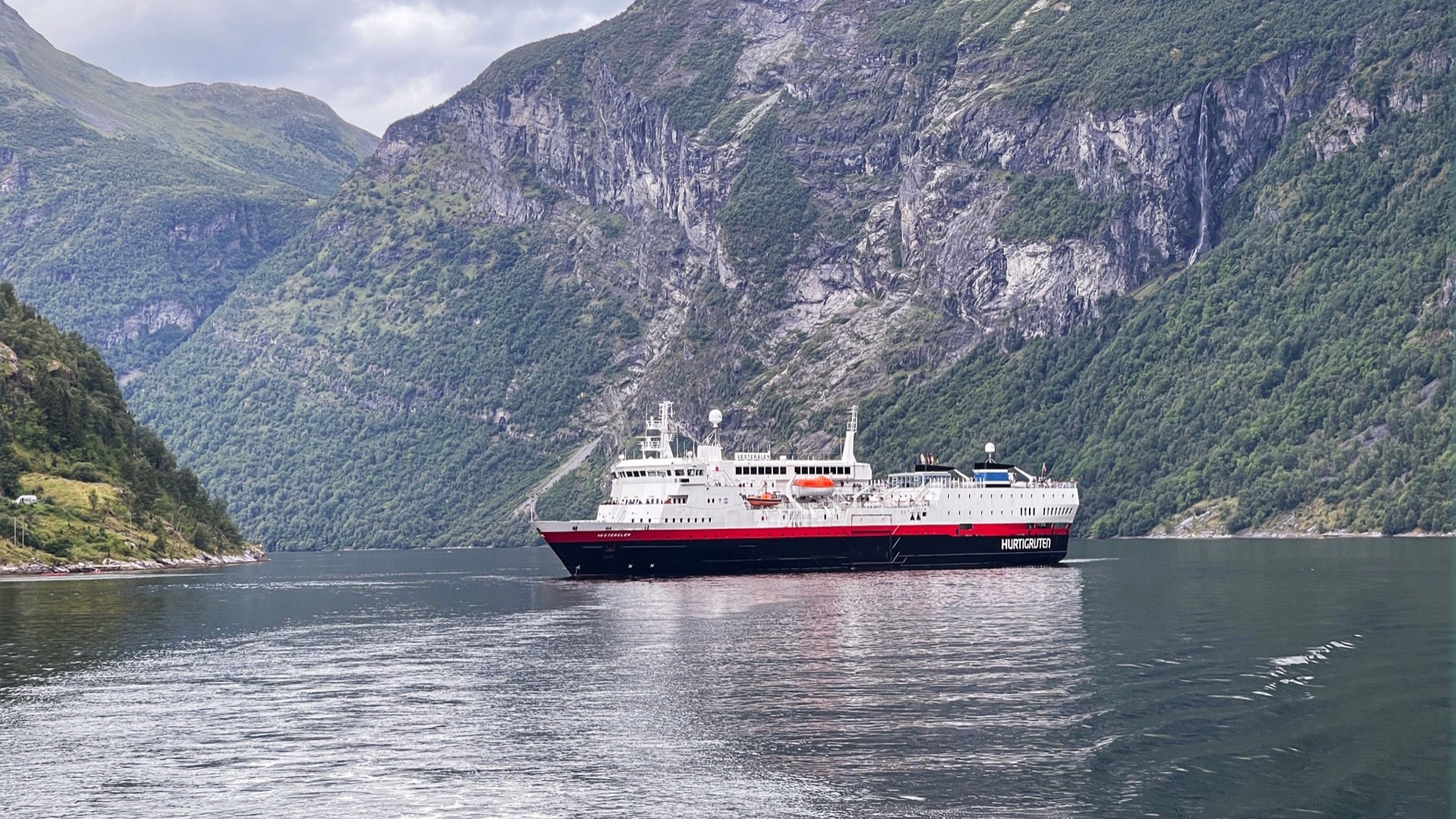
If the Mediterranean sounds too hot, Norway, Iceland, and the British Isles are the obvious Europe cruise alternatives.
They are not interchangeable.
Norway is the easiest answer if you want the ship itself to deliver scenery. Iceland is better if you want raw landscapes, geothermal touring, wildlife, and more active shore days. The British Isles are best if you want castles, cities, gardens, history, pubs, whisky, and cultural touring with cooler weather.
The wrong choice usually happens when travelers compare destination names instead of the actual day on shore.
Quick Answer
For most luxury travelers choosing between a Norway vs Iceland vs British Isles cruise, I would start here:
| If you want… | Choose… | Why |
|---|---|---|
| The most scenic cruise from the ship | Norway | Fjords, waterfalls, steep valleys, and small coastal towns make the sailing itself part of the trip. |
| The most unusual landscapes | Iceland | Lava fields, glaciers, geothermal pools, waterfalls, and rugged coastlines feel more otherworldly. |
| The strongest cultural touring | British Isles | England, Scotland, Ireland, Wales, and nearby islands are better for history, gardens, castles, whisky, and cities. |
| The easiest fit for seniors or mixed mobility | Norway | Many fjord ports are compact, scenic, and easier to enjoy without long inland touring. |
| The best active-adventure trip | Iceland | Glacier walks, geothermal sites, whale watching, hiking, and expedition-style touring are the draw. |
| The best multi-generational compromise | British Isles or Norway | British Isles for culture and family history; Norway for scenery with gentler port days. |
| The best summer alternative to the Mediterranean | Norway or British Isles | Cooler air, fewer heat-stress issues, and better conditions for walking. |
My advisor take: Norway is the safest first choice for scenic cruising. Iceland is the more adventurous choice. The British Isles are the better cultural trip.
If you have two to three weeks and the budget allows it, a combined itinerary can be excellent. Viking, for example, now sells a 29-day Iceland, Norway & British Isles voyage that packages the three regions together. That is a broad survey, not a quick vacation.
Why These Cruises Are Trending
Travelers are getting more cautious about peak-summer heat in southern Europe. Cruise Critic reported in July 2026 that record heat across Spain, Italy, and Greece was making Mediterranean shore excursions hotter and potentially riskier. If you want Europe in July or August but do not want to tour Rome, Florence, Athens, or Pompeii in punishing heat, Northern Europe deserves a serious look.
That is the opportunity.
But “cool-weather Europe” still requires planning. Norway, Iceland, and the British Isles can be windy, rainy, cloudy, and expensive. You trade heat risk for weather variability.
I still prefer that trade for many clients.
Norway Cruise: Best for Fjords and Scenic Sailing
Choose Norway if you want the landscape to come to you.
This is the biggest difference between Norway and the other two options. On a strong Norwegian fjords itinerary, the ship is not just transportation. It is the viewing platform. You can wake up to cliffs, waterfalls, narrow fjords, and small towns without sitting on a motorcoach for two hours first.
Silversea’s Northern Europe guide describes Norway around fjords, waterfalls, Bergen, Stavanger, Alesund, and the Midnight Sun, noting that Tromso goes almost two months in summer without sunset from late May to late July. That long daylight matters. It makes scenic sailing feel generous instead of rushed.
Norway Is Best If
- You want scenery from the ship, balcony, and lounges.
- You like waterfalls, mountains, fjords, and coastal towns.
- You want a gentler cool-weather Europe alternative to the Mediterranean.
- You are traveling with older adults or mixed mobility levels.
- You want a trip that can still feel special if you skip one excursion.
- You prefer nature without needing constant high-adrenaline touring.
What to Watch in Norway
Not every Norway cruise is a great fjords cruise.
Read the port list carefully. Bergen, Alesund, Stavanger, Olden, Flam, Geiranger, Skjolden, Eidfjord, Tromso, and the Lofoten Islands create very different trips. A route with mostly large cities and only a little scenic sailing may not deliver the fjord experience you imagined.
Also check ship size and port access. Some smaller ships can visit more intimate ports, while larger ships may rely on more common calls. That is not automatically bad, but it changes the feel.
Weather is the other reality. Norway can be rainy and misty even in summer. Pack layers, waterproof shoes, and a real rain jacket. Do not build the whole emotional value of the trip around one sunny fjord photo.
Iceland Cruise: Best for Active Landscapes and Geothermal Drama
Iceland is not “Norway with volcanoes.” It asks more of you.
The scenery can be stark, wide open, volcanic, windy, and strange in the best way. The reward is different too: geothermal pools, lava fields, waterfalls, black-sand beaches, whale watching, puffins, glaciers, and long excursions into landscapes that do not look like mainland Europe.
Cruisebound’s Norway vs Iceland comparison makes a useful distinction: Norwegian fjords are stronger for ship-based scenery and accessible itineraries, while Iceland is stronger for active, immersive shore experiences and wildlife. That matches how I would qualify clients.
Iceland Is Best If
- You want geothermal pools, volcanoes, glaciers, lava fields, and waterfalls.
- You are comfortable with wind, weather changes, and longer shore days.
- You like active excursions more than city sightseeing.
- Wildlife matters, especially whales and seabirds.
- You are considering Iceland with Greenland, the Faroe Islands, Norway, or the British Isles.
- You want a trip that feels less polished and more elemental.
What to Watch in Iceland
Iceland can look simple on a map and feel demanding in practice.
Some cruise ports require longer drives to reach the headline sights. Weather changes fast. Tendering can happen. The best excursions can be expensive, and active experiences may have real fitness or mobility requirements.
Also, do not sell yourself a summer Iceland cruise as a Northern Lights trip. Summer has long daylight. For aurora-focused travel, you need darker months and the right region. Cruisebound notes that summer sailings in Norway or Iceland are not the right setup for Northern Lights, and that September or dedicated winter expeditions are better.
If Northern Lights are the real priority, read our Cruise to See Northern Lights guide before you book a summer itinerary.
British Isles Cruise: Best for History, Cities, Gardens, and Heritage
The British Isles are the least “dramatic scenery from the ship” option of the three, but they can be the richest cultural trip.
This is where you look for Edinburgh, Dublin, Belfast, Liverpool, Cork or Cobh, the Scottish Highlands, castles, gardens, whisky, cathedrals, family history, and smaller islands when the itinerary is strong.
Cruise Critic summarizes British Isles and Western Europe cruises as year-round options, with spring and summer among the most pleasant months, and notes that layers and rain gear matter. BritishIslesCruises.com lists the main cruise season as April through October and points to spring and fall shoulder seasons for fewer crowds and slightly lower prices.
That is the honest pitch: cooler weather, culture, and logistics. Not guaranteed sunshine.
British Isles Are Best If
- You want castles, cities, gardens, literary history, whisky, pubs, and museums.
- You have family ancestry in England, Scotland, Ireland, Wales, or Northern Ireland.
- You prefer cultural touring over dramatic natural scenery.
- You want cooler Europe without going too remote.
- You like pre- or post-cruise time in London, Edinburgh, Dublin, or Amsterdam.
- You are less interested in beach weather and more interested in walking, food, and history.
What to Watch in the British Isles
Port logistics matter more here than many travelers expect.
Some of the places people imagine are not always close to the port. Edinburgh may involve tendering or transfers depending on where the ship calls. London cruises may actually use Southampton, Dover, Greenwich, or another port. The Scottish Highlands are not always easy from a standard port day. The Cliffs of Moher, Ring of Kerry, Isle of Skye, and Loch Ness require careful itinerary matching.
This is where I see disappointment: someone books a British Isles cruise assuming it will cover every famous sight from a PBS special. Then they discover the ship cannot bend geography.
If the destination is deeply personal, add land nights.
Side-by-Side Comparison
| Factor | Norway | Iceland | British Isles |
|---|---|---|---|
| Main appeal | Fjords and scenic sailing | Volcanic landscapes and active excursions | History, cities, gardens, castles, culture |
| Best traveler | Scenic cruiser | Active explorer | Cultural traveler |
| Best months | May to September | June to August, plus September for darker evenings | May to September, with April/October for shoulder season |
| Weather risk | Rain, mist, cool air | Wind, rain, rougher-feeling days | Rain, wind, variable temperatures |
| Mobility fit | Often best of the three | Most demanding if excursions are active | Depends heavily on port and tour choices |
| Best cabin choice | Balcony or suite for scenic sailing | Balcony nice, but excursions matter more | Cabin less important than itinerary and port times |
| Best cruise style | Premium, luxury, expedition, coastal | Expedition, premium, luxury | Premium, luxury, traditional ocean |
| Main mistake | Booking a weak fjord itinerary | Underestimating excursion difficulty and cost | Assuming famous sights are close to port |
Which Is Best for Luxury Travelers?
Luxury means different things in these regions.
In the Mediterranean, luxury often means avoiding crowds, better dining, private touring, and a calmer ship. In Northern Europe, luxury is more about itinerary intelligence: the right port list, the right ship size, the right excursion pace, and enough recovery time between weather-heavy days.
Choose Norway for Luxury Scenic Ease
Norway is the best fit if you want a beautiful trip that does not require a hard excursion every day. A balcony suite or well-located lounge can genuinely improve the experience because the scenery is part of the sailing.
Look at Silversea, Seabourn, Regent, Viking, Oceania, Celebrity Retreat, Holland America, Hurtigruten, and Havila depending on the level of luxury, coastal authenticity, and budget you want.
Choose Iceland for Luxury Adventure
Iceland works best when you are willing to spend on shore experiences. A luxury ship helps, but the trip lives or dies by what you do off the ship: private Super Jeep touring, geothermal experiences, whale watching, glacier or lava-field excursions, and expert-guided days.
This is where expedition or small-ship products can make sense if the itinerary is strong.
Choose the British Isles for Luxury Culture
The British Isles are best when you want guides who can make history, gardens, whisky, cathedrals, and local food feel personal. Here, private touring and pre/post hotels matter more than a balcony.
For a high-end trip, I would often pair the cruise with London, Edinburgh, Dublin, or a countryside stay.
Best Choice by Traveler Type
For Travelers 55+
Start with Norway.
The scenic payoff is high, and many fjord ports are easier to enjoy at a gentler pace. British Isles can also work very well, but only if the port-to-sight logistics are sensible. Iceland is a stronger fit for active 55+ travelers than for anyone who wants a low-effort trip.
For Mobility-Conscious Travelers
Norway usually wins, but not every Norway excursion is easy. Scenic railways, coach tours, fjord boats, and compact towns can work well. Avoid assuming “nature trip” means “easy trip.”
British Isles mobility depends on the port. Castles, old towns, and historic streets can involve stairs and uneven ground.
Iceland requires the most careful screening because many signature experiences are outdoors, exposed, and weather-dependent.
For Families and Multigenerational Trips
Norway is a strong family compromise because kids, parents, and grandparents can all appreciate the scenery. Larger premium ships may offer more onboard programming.
British Isles cruises can work beautifully for families with teens or adult children who like history and cities.
Iceland is best for active families with older children who want adventure.
For Honeymoons and Anniversaries
Choose Norway if you want scenery and quiet luxury.
Choose Iceland if you want adventure, hot springs, photography, and a less conventional honeymoon.
Choose British Isles if you want boutique hotels before or after, literary cities, countryside extensions, and food-and-drink touring.
Best Time to Go
| Month | Norway | Iceland | British Isles |
|---|---|---|---|
| April | Limited but possible | Early and cool | Shoulder season, fewer crowds |
| May | Strong for waterfalls and lighter crowds | Early, cool, some limited access | Good shoulder season |
| June | Excellent, long days | Strong summer start | Good weather odds, busy |
| July | Peak scenic season, busy | Peak access and long daylight | Pleasant but busy |
| August | Strong, slightly softer than July in some areas | Strong, still long days | Good cruise month, variable rain |
| September | Cooler, fall mood, possible darker skies north | Good for fewer crowds and darker evenings | Good shoulder season |
| October | More limited, colder | Limited and weather-dependent | Shoulder season, cooler and wetter |
Do not choose these cruises expecting Mediterranean weather. Choose them because you want to walk without southern European heat, sleep well in cool air, and see a different side of Europe.
Should You Combine Them?
A combined Norway, Iceland, and British Isles itinerary can be excellent if you have time.
It is also not always the best first choice.
Longer combination cruises often run 14 to 29 nights. They can include many sea days, weather variability, and a broad but shallow survey of multiple regions. Viking’s 29-day itinerary is a good example of the full-survey approach: 8 countries, guided tours, Iceland, Norway, and Britain in one long arc.
I would choose a combined itinerary if:
- You have at least two weeks.
- You want variety more than depth.
- You enjoy sea days.
- You are comfortable with changeable weather.
- You are not trying to force every major sight into one port day.
I would choose a focused itinerary if this is a milestone trip and one destination matters most.
My Recommendation
If you ask me where to start, I would say:
- Choose Norway for the strongest first-time cool-weather Europe cruise.
- Choose Iceland if you want active adventure and unusual landscapes.
- Choose the British Isles if history, culture, ancestry, gardens, and cities matter more than fjords.
- Choose a combined itinerary only if you have enough time and understand that it will be a survey, not a deep dive.
For many luxury travelers trying to avoid the Mediterranean in July or August, Norway is the easiest swap. It keeps the Europe feeling, lowers the heat risk, and gives you scenery from the ship itself.
But the best trip is not the prettiest destination on paper. It is the one where your shore days, weather tolerance, mobility, ship, and budget line up.
Related Cruise Planning Guides
- Are Mediterranean Cruises Too Hot in July and August? if you are comparing Northern Europe against a peak-summer Med cruise.
- Norway Cruise for a deeper Norway planning guide.
- Cruise to See Northern Lights if aurora viewing is part of the decision.
- Luxury Mediterranean Cruises if you are still comparing warm-weather Europe options.
- Best Alaska Cruises for Seniors if you want another cool-weather scenic cruise comparison.
Compare Cool-Weather Europe Cruises With Us
If you are deciding between Norway, Iceland, the British Isles, or a summer Mediterranean cruise, we can compare the itinerary, ship, shore excursions, weather risk, and real trip fit before you book.
Plan your cool-weather Europe cruiseFAQ
Is Norway or Iceland better for a cruise?
Norway is usually better for scenic cruising from the ship, easier fjord ports, and a gentler first-time Northern Europe trip. Iceland is better for active excursions, geothermal landscapes, wildlife, waterfalls, and travelers who want a more rugged trip.
Is a British Isles cruise worth it?
A British Isles cruise is worth it if you want history, cities, castles, gardens, whisky, ancestry, and cooler Europe touring. It is less ideal if you expect every famous inland sight to be close to the cruise port.
Which is better for seniors: Norway, Iceland, or the British Isles?
Norway is usually the best starting point for seniors because the scenery is visible from the ship and many ports can be enjoyed at a gentler pace. British Isles cruises can also work well with careful port planning. Iceland is best for more active seniors.
Can you see the Northern Lights on a summer Norway or Iceland cruise?
Usually no. Summer has too much daylight for reliable aurora viewing. For Northern Lights, look at late September through winter sailings and routes that go far enough north.
What is the best cool-weather Europe cruise alternative to the Mediterranean?
Norway is the easiest alternative for most travelers because it offers strong scenery, cooler summer weather, and a cruise experience that does not depend entirely on long inland excursions.
Should I book a combined Norway, Iceland, and British Isles cruise?
Book a combined cruise if you have at least two weeks, want variety, and enjoy sea days. Choose a focused itinerary if you care more about depth, pacing, and a specific destination.